0
Like this.
Like this.
Permanent storage in a PC refers to non-volatile memory devices that store data continuously, even when the computer is turned off. Unlike RAM, which acts as short-term memory and clears every time you shut down or restart your computer, permanent storage retains your files, operating system, installed software, and personal data indefinitely until you manually delete or overwrite them.
Over the years, primary storage technology in PCs has evolved significantly, but the underlying goal remains keeping your data safe for long-term access.
Without permanent storage, your PC wouldn't be able to boot up. The operating system must reside on non-volatile media so the hardware knows how to load system files during startup. Additionally, all user applications, saved games, documents, and media depend on permanent storage for retrieval across sessions.
To put it simply, temporary storage (Random Access Memory) prioritizes speed for actively running tasks, allowing the processor to fetch active instructions almost instantly. Permanent storage prioritizes retention capacity and stability, preserving data reliably for years.

It’s a great way to improve your spelling, expand your vocabulary, and exercise your brain daily onWordle Unlimited online.

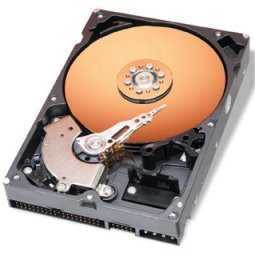
A storage device in Computer System that stores, and extract data files and objects regardless of power off of the computer is known as “Hard Drive” or “Hard Disk”. Hard Drive usually has a large storage capacity and stores the data permanently until it is deleted manually. Once a data or file is saved in Hard Disk then power off of computer system also doesn’t remove the file until is done by self. Hard Drives are Non-Volatile in nature. There two types of Permanent Storage Device i.e. Internal Storage Device (Hard Disk) and External Storage Device.
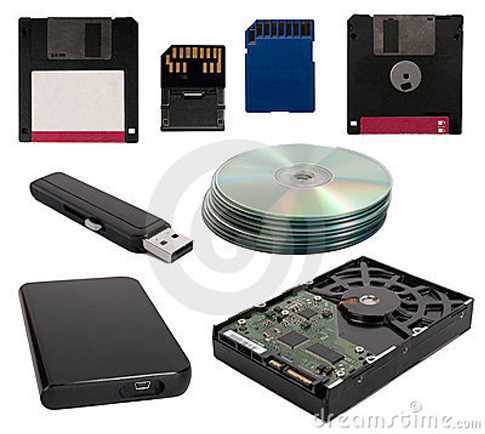
External Storage Device is of various types: