Data Training (often called Training Data or Model Training) is one of the most important steps in Artificial Intelligence (AI) and Machine Learning. It is the process where a computer system learns patterns from data so it can make predictions or decisions without being explicitly programmed.
In simple words:
Data training is how we “teach” an AI system using examples.
Just like humans learn from experience, machines learn from data.
What is Data Training?
Data training is the process of feeding large amounts of structured or unstructured data into a machine learning model so it can:
- Identify patterns
- Learn relationships
- Improve prediction accuracy
For example:
- Showing thousands of cat images to teach AI to recognize cats
- Feeding past email data to detect spam
- Providing historical sales data to predict future demand
How Data Training Works
Step-by-Step Process
Data Collection
First, relevant data is gathered from sources like:
- Databases
- Sensors
- Websites
- User inputs
Data Cleaning
Raw data often contains:
- Errors
- Missing values
- Duplicate entries
- Cleaning ensures high-quality learning.
Data Preparation
This step includes:
- Formatting data
- Converting text to numbers
- Feature selection
Model Training
The prepared data is fed into a machine learning model.
The model learns by:
- Adjusting weights
- Minimizing prediction errors
- Finding patterns
Evaluation
After training, the model is tested on new data to measure accuracy.
Types of Training Data
Structured Data
- Organized in rows and columns.
Example: spreadsheets, databases.
Unstructured Data
Not organized.
Examples:
- Images
- Videos
- Text
- Audio
Labeled Data
- Data with correct answers.
Example: images tagged as “dog” or “cat”.
Unlabeled Data
Data without tags. The model finds patterns on its own.
Types of Training Methods
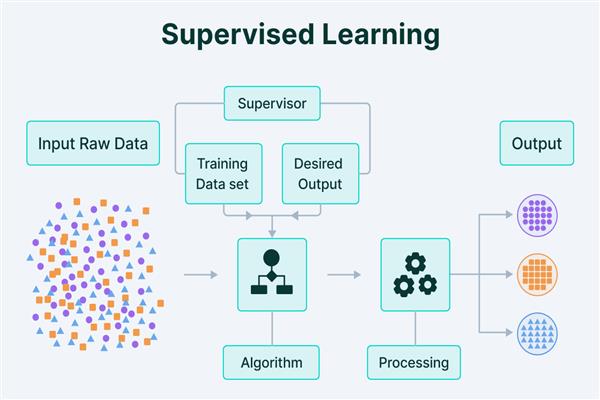
Supervised Learning
- Uses labeled data
- Model learns from correct answers
- Example: spam detection
Unsupervised Learning
- No labels
- Finds hidden patterns
- Example: customer segmentation
Reinforcement Learning
- Learns by trial and error
- Uses rewards and penalties
- Example: game-playing AI
Real-World Applications
Data training powers many modern technologies:
- Voice assistants
- Recommendation systems
- Fraud detection
- Medical diagnosis
- Self-driving cars
- Chatbots
Importance of Data Training
Why it matters:
- Determines AI accuracy
- Helps models learn patterns
- Improves decision-making
- Enables automation
A common saying in AI: “Better data beats better algorithms.”
Challenges in Data Training
Poor Data Quality
- Leads to inaccurate predictions
Data Bias
- Causes unfair or incorrect results
Large Data Requirements
- Training often needs huge datasets
Time & Cost
- Data preparation is expensive and time-consuming
Future of Data Training
The future of data training includes:
- Automated data labeling
- Synthetic data generation
- Real-time continuous learning
- Privacy-preserving AI training
These advancements will make AI systems smarter and more efficient.
Conclusion
Data training is the backbone of Artificial Intelligence. It allows machines to learn from experience, improve over time, and make intelligent decisions. Without quality training data, even the most advanced AI models cannot perform well.
As AI continues to grow, the importance of effective data training will only increase.
