Why Indoor Plants Help a Home Stay Fresh and Calm
When it comes to selecting the best indoor plants for home, it’s helpful to pick varieties that not only look good but also support a healthier and more positive living space. Many plants like Snake Plant, Areca Palm, Money Plant, Aglaonema and Peace Lily are popular indoor plants for oxygen, which makes them essential for bedrooms and offices where fresh air matters the most. For your living room, plants like Rubber Plant, ZZ Plant, and Anthurium add beauty and warmth, while low-maintenance herbs and succulents make excellent choices for the kitchen. If you follow Vastu, plants such as Tulsi, Lucky Bamboo, and Jade Plant are believed to bring good energy, prosperity, and harmony into the home. Together, these plants create a peaceful environment and require very little effort to maintain—perfect for modern homes.
Indoor Plants are not just pretty faces. They do real work! They help your home feel super fresh and calm. Think of them as little air-cleaning superheroes.
- Plants Clean Air: When we breathe, we use oxygen. Plants take in the yucky air and let out fresh oxygen. This is called photosynthesis. It makes the air cleaner for you.
- Plants Remove Bad Stuff (VOCs): Some things in your house, like paint, new carpet, or cleaning sprays, let out invisible, smelly gases. These are called Volatile Organic Compounds (VOCs). Plants eat these gases! (Research: NASA Clean Air Study)
- Plants Raise Oxygen: They make more fresh oxygen for you to breathe easily. And this is great for your brain and body. It is proved in NBRI Study in 2021
- Plants Lower Dust: Certain plants have leaves that act like natural dust collectors, which helps to settle the small bits floating around.
- Plants Feel Soft: When you look at green plants, it makes you feel calm and less stressed. It makes a room feel soft and cozy, not hard and boring.
- Plants are Natural Humidifiers: They let out water vapor from their leaves, which is is great for dry rooms.
Best Indoor Plants for Home With Room-wise Guide
You cannot put every plant in every room. Some like sun, some like water, and some like dark corners. Here are the best indoor plants for home based on where they live.
Indoor Plants for Living Room
The living room is where you sit a lot. You want plants that look nice and clean a big space.
1. Areca Palm (Dypsis lutescens)
- Why it suits this room: The Areca Palm is a big, beautiful plant. It looks like a tropical tree. It is great at cleaning the whole room's air. It is a big plant, so it cleans a big area.
- How it works: It cleans VOCs like Formaldehyde and Toluene from furniture and fabrics. It also adds nice moisture to the air. (Research: CSIR Air Quality 2023)
- Simple Care Guide: Give it bright, but indirect sunlight. Water it when the top soil feels dry. Use soil that drains water easily. Wipe the long leaves with a damp cloth once a week.
- Vastu reason + ideal direction: This plant brings wealth and happiness. Put it in the Southeast or South direction. It should be away from the main corner, maybe near a window.
2. Peace Lily (Spathiphyllum)
- Why it suits this room: This plant has shiny dark green leaves and beautiful white flowers. It is a classy plant that looks great on a table.
- How it works: It is super good at cleaning nasty stuff like Ammonia and Benzene from cleaning products. It also tells you when it needs water because its leaves droop dramatically! (Source: NBRI Plant Science Unit)
- Simple Care Guide: It likes low to medium light. It can even grow under a lamp. Water it when the soil is a little dry. Clean the big leaves to help them breathe.
- Vastu reason + ideal direction: The Peace Lily brings peace and good vibes. It should be placed in the North or East direction of the living room.
Indoor Plants for Bedroom
The bedroom is where you sleep and need the best, freshest air. You want plants that give out oxygen even at night.
1. Snake Plant (Sansevieria trifasciata)
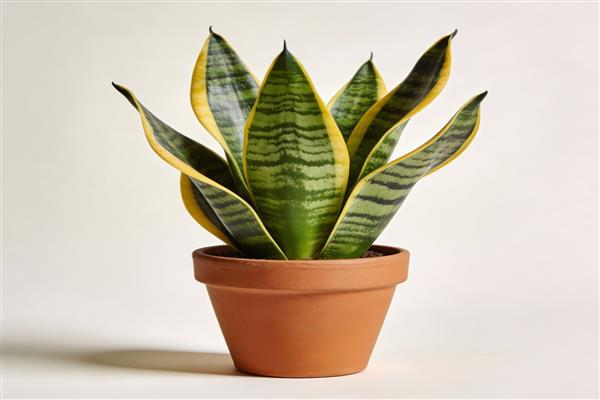
- Why it suits this room: The Snake Plant is tough and easy to keep alive. It is a champion at making air better, especially at night. It is a great indoor plant for bedroom.
- How it works: Most plants stop making oxygen at night. The Snake Plant keeps giving out oxygen 24/7 using a special process called CAM. It also removes Nitrogen Oxide.
- Simple Care Guide: It loves bright light but can live in low light, too. Do not overwater it. Water only when the soil is bone dry. This is a desert plant.
- Vastu reason + ideal direction: It is thought to block bad energy. Place it in the South or East corner of the bedroom. Keep it away from your bed.
2. Money Plant (Epipremnum aureum)
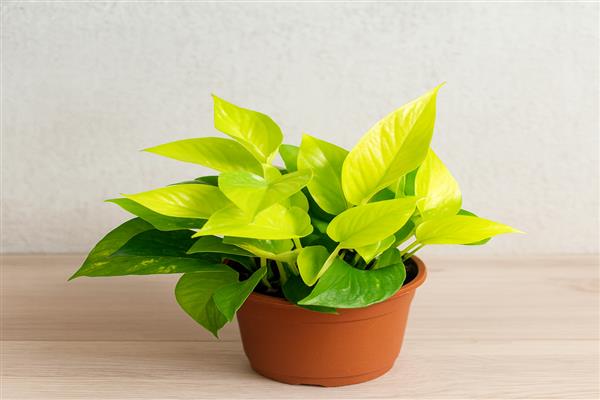
- Why it suits this room: The Money Plant has lovely trailing vines. It is super simple to care for. It helps filter the air.
- How it works: It is one of the top plants for cleaning air. It is very good at taking away nasty stuff like Formaldehyde and Carbon Monoxide.
- Simple Care Guide: This plant thrives good in bright, indirect light, but also does fine in low light. It stays like it if you water it 1-2 times a week. You can grow it in a pot with soil or even just in a bottle of water.
- Vastu reason + ideal direction: It is famous for bringing luck, wealth, and good vibes. Place it in the Southeast direction for best luck.
If you are looking for specific varieties of these bedroom plants, you might want to explore our excellent selection of bedroom plant collections.
Indoor Plants for Kitchen
The kitchen has heat, sometimes smoke, and lots of smells. Plants here need to handle warm air and sometimes a bit more moisture.
1. Spider Plant (Chlorophytum comosum)
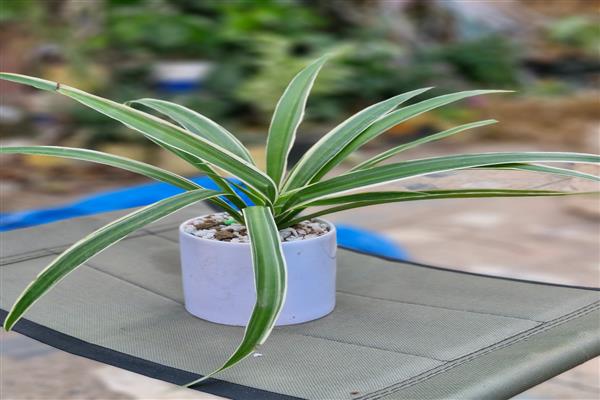
- Why it suits this room: The Spider Plant is super tough. It can handle the changing heat and moisture levels of a kitchen. It also makes "baby spiders" (plantlets) that look cute dangling from shelves.
- How it works: It is a hero at cleaning Carbon Monoxide and Xylene, which can come from gas stoves. (Research: NASA Clean Air Study)
- Simple Care Guide: It likes bright light but not hot, direct sun. Water it when the top half of the soil is dry. Use a good, well-draining soil. Mist it once in a while.
- Vastu reason + ideal direction: This plant is said to bring happiness and clean energy. Hang it in the Northeast corner or near the kitchen window.
2. Aloe Vera (Aloe barbadensis miller)
- Why it suits this room: It is a useful plant! It is a beautiful succulent that handles warm temps. Plus, the jelly inside the leaves can help if you get a small burn while cooking.
- How it works: It cleans the air from Formaldehyde and Benzene. It is an amazing air filter.
- Simple Care Guide: It needs bright, direct sun. It is a sun lover. Water it very little. Only water when the soil is completely dry, just like the Snake Plant.
- Vastu reason + ideal direction: It is a lucky plant that brings positive vibes. Keep it in the East or North part of the kitchen.
Indoor Plants for Bathroom
The bathroom is wet, warm, and often has low light. Plants here must love moisture and not need much sun.
1. Pothos (Devil's Ivy)
- Why it suits this room: Pothos is the best plant for a low-light, wet room. It loves humidity. It trails beautifully from a shelf.
- How it works: It cleans Formaldehyde from cleaning products. It also loves to drink moisture from the air, which helps a little with humidity control.
- Simple Care Guide: It is super easy. It can live in very low light. Water when the leaves start to look a little droopy. It is a tough plant to kill!
- Vastu reason + ideal direction: It should not be kept in the bathroom as per some Vastu rules, but if you do, keep it in the South or West corner, but not touching the floor.
If you need plants that do well in low light, like Pothos, you can find a great selection in our low-light plant collection.
Indoor Plants for Home Oxygen Support
These plants are extra good at making oxygen for your house. They are important indoor plants for oxygen.
1. Tulsi (Holy Basil - Ocimum sanctum)
- Why it suits this room: Tulsi is a sacred herb in India. It is a super plant for your home. It needs a lot of light to grow well inside.
- How it works: Tulsi lets out a very high amount of fresh oxygen. It is also known to fight germs and insects. It has great medicinal value. (Research: NBRI Plant Physiology 2022)
- Simple Care Guide: It needs bright, direct sunlight for many hours each day. Water it every day, but make sure the pot drains well. Pinch off the flowers to keep it bushy.
- Vastu reason + ideal direction: It is the most sacred plant. It must be kept in the Northeast or East direction of the house, where it gets morning sun.
2. Rubber Plant (Ficus elastica)
- Why it suits this room: This plant has big, thick, dark green leaves. It is a large plant that cleans a lot of air. It is strong and lives a long time.
- How it works: It is one of the best for cleaning the air. It is amazing at getting rid of Formaldehyde and makes lots of oxygen. The large leaves are very good at this job. (Source: NBRI Study of Ficus Plants)
- Simple Care Guide: It needs bright, indirect light. Water it when the top inch of soil is dry. The leaves get dusty, so wipe them clean every few weeks.
- Vastu reason + ideal direction: The Rubber Plant is a symbol of wealth and abundance. Place it in the Southeast corner.
Indoor Plants as per Vastu (with Direction Guide)
Vastu Shastra is an old Indian science of architecture. It tells us the best place for things to make us happy and lucky. The direction matters for your indoor plants as per vastu.
| Plant Name | Vastu Logic | Ideal Direction |
|---|---|---|
| Bamboo Plant | Brings good fortune, luck, and health. The number of stalks matters. | East or Southeast |
| Jad Plant (Crassula ovata) | A very lucky plant that is said to bring money. | North or Northeast or East |
| Lemon Grass | This herb gives off a positive scent and keeps bugs away. | North or East (near a window) |
| Hibiscus | Brings happy energy and is used for prayer. | East or Northeast (Balcony/Window) |
Simple Care Guide for All Indoor Plants
Keeping your plant friends happy is easy if you follow a few simple rules.
- Light: Find out what your plant likes. "Bright, indirect light" means near a window, but the sun does not hit the leaves directly. "Low light" means a darker corner. No plant likes no light at all.
- Water: The biggest mistake is too much water! Always check the soil first. Stick your finger in the dirt up to your knuckle. If it is wet, wait. If it is dry, water it.
- Soil: Use soil that is light and drains fast. It should not turn into a hard mud ball when wet. Good soil has things like coco coir or perlite to keep it fluffy.
- Pot Hole: Every single pot must have a hole at the bottom. The extra water must be able to run out. If water stays, the roots will rot. This is called overwatering.
- Leaf Cleaning: Big leaves get dusty. Dust blocks the sunlight and the plant cannot breathe well. Wipe the leaves gently with a soft, damp cloth every month.
- Pest Control: Tiny bugs can attack plants. If you see sticky spots or tiny white fluff, spray the plant with a mild soap and water mix. Check the leaves often.
- Repotting: When a plant grows too big for its pot, its roots get all tangled up. This is called "root-bound." When you see roots coming out of the pot's bottom hole, it is time to move the plant to a pot that is 2 inches bigger.
- Root Health: The roots are the plant's mouth. If they are brown and mushy, they are rotten (from too much water). If they are white and firm, they are healthy.
- Overwatering Prevention: Always use a pot with a drainage hole. Throw out the extra water that collects in the bottom dish after 15 minutes. This is the simplest way to prevent root rot.
Indoor plants instantly change how a home feels. They clean the air, make dull corners bright, and create a calm environment without asking much from you. As you place different plants in the living room, bedroom, kitchen, or bathroom, each one actively improves the space in its own unique way.
When you choose plants based on their light needs, care level, and even Vastu direction, they grow better and make your rooms feel more balanced. Furthermore, simple habits—like checking the soil before watering them, cleaning dusty leaves, or repotting when needed—help these plants stay healthy for years.
By adding the right indoor plants, you not only decorate your home but also make it cleaner, smoother to breathe in, and more peaceful to live in. With just a few thoughtful choices, you can turn any room into a fresher and more positive place that truly feels like home.
