seo-techniques-to-maximize-your-website-s-potential">Technical SEO is the foundation of a website’s search engine optimization. It’s everything behind the scenes that ensures search engines can crawl, index, and understand your site properly. Without solid technical SEO, even the best content won’t rank well because Google (and others) might not be able to find or process it.
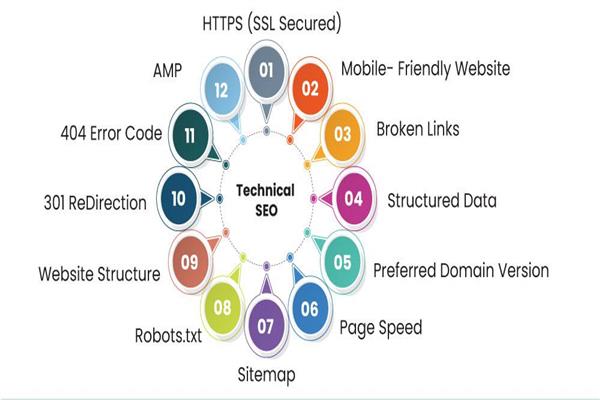
Here’s the core of technical SEO:
1. Crawlability
Search engines use bots (crawlers) to discover your pages.
You control crawling through:
- robots.txt (tells bots what to crawl or skip).
- sitemap.xml (lists important pages to crawl).
- Errors to fix: broken links, endless redirect loops, or blocked resources.
2. Indexability
- Just because a bot crawls a page doesn’t mean it will be indexed.
- Use the meta robots tag and canonical tags correctly.
- Avoid duplicate content issues (e.g., same product listed under multiple URLs).
3. Site Speed & Performance
Google prioritizes fast sites (part of Core Web Vitals).
Focus on:
- Page load time
- Mobile responsiveness
- Reducing unused JavaScript and CSS
- Image compression and lazy loading
4. Mobile Optimization
Google uses mobile-first indexing, so your mobile site is what gets ranked.
Make sure:
- Content is fully accessible on mobile.
- Buttons, menus, and forms are usable on small screens.
5. Site Architecture & URL Structure
- Keep URLs short, descriptive, and clean (
/blog/technical-seoinstead of/post?id=123). - Use logical hierarchy: homepage → category → subcategory → page.
- Internal linking helps spread authority and guides crawlers.
6. HTTPS & Security
- Google expects secure sites (HTTPS is a ranking factor).
- Ensure SSL certificates are valid and all HTTP traffic redirects to HTTPS.
7. Structured Data (Schema Markup)
- Helps search engines understand content (e.g., product info, reviews, events).
- Can enhance search listings with rich snippets (stars, FAQs, breadcrumbs).
8. Core Web Vitals (User Experience Metrics)
- Largest Contentful Paint (LCP) → How fast main content loads.
- First Input Delay (FID) → How fast page reacts to clicks/taps.
- Cumulative Layout Shift (CLS) → How stable the page is while loading.
9. Error Handling & Maintenance
- Fix 404 errors and broken links.
- Use proper redirects (301 for permanent, 302 for temporary).
- Monitor crawl errors in Google Search Console.
In short: Technical SEO makes your website discoverable, understandable, and usable for both search engines and humans. It’s not about keywords or content—that’s on-page SEO—but about the infrastructure that powers them.
