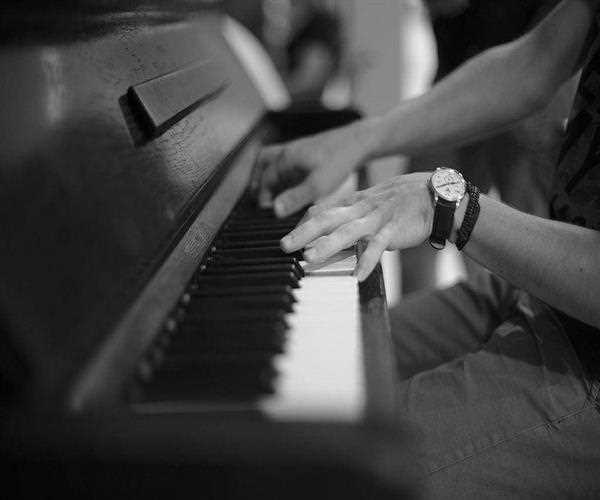
The
piano
is an
acoustic,
keyboard, and
stringed musical instrument
with softer hardwood hammers that strike the strings. It's performed on a keyboard, which consists of a row of keys that the performer presses or strikes with both hands' fingers and thumbs to force the hammers to strike the strings. Around the year
1700,
Bartolomeo Cristofori invented it in
Italy.
The piano was built on the backs of previous technological advances in keyboard instruments. Pipe organs have been around since antiquity, and their evolution allowed instrument designers to discover how to make keyboard mechanisms for playing pitches.
The hammered dulcimers, which have been used in
Europe since the Middle Ages, were the first string instruments having hit strings. The piano is assigned to
Bartolomeo Cristofori of
Padua,
Italy, who worked as the Keeper of the Instruments for
Ferdinando de Medici, Grand Prince of Tuscany. Cristofori was a master harpsichord maker who was well-versed in the field of stringed keyboard instruments. His understanding of keyboard mechanisms and motions aided him in the development of the first pianos.
When
Cristofori originally created a
piano, no one knows for sure. By the year
1700, his employers, the
Medici family, had made an inventory that indicated the presence of a piano. The three remaining
Cristofori pianos date from the
1720s.
Un cimbalo di cipresso di piano e forte was
Cristofori's term for the
instrument, which was later abbreviated as
pianoforte,
fortepiano, and, finally,
piano.