1

Which summit is meant matters: the agenda and participating countries can change what preparation looks like. In general, governments use the lead-up to a global economic summit to agree on priorities at home and coordinate negotiating positions with partners.
Finance ministers and trade officials often consult businesses, labor groups, and other governments before the meeting. They may prepare proposals on debt, investment, trade, energy, or financial stability, while trying to build support for issues that matter most to their own economies. Central banks may also share views on risks, though their role and independence vary by country.
The potential effects are not automatic. A joint statement can help set expectations, but it usually needs follow-up through national policy or later agreements before it changes everyday economic conditions. Markets may react to signals about interest rates, trade rules, or public spending; the longer-term effects depend on what countries actually implement.
For a specific answer, it would help to know which summit you mean. The priorities and likely impacts of a meeting focused on debt relief negotiations, cross-border trade rules, or climate finance commitments could look quite different.

Nations are preparing for the 2025 Global Economic Summit with great intensity as they understand that its results will define their further socioeconomic development. This again shows that leaders are developing techniques that they will use to overcome the issues of trade relations, climate conditions, and technology advancement. This is not just a simple concept of a meeting but a war zone where survival and power are determined as power and authority.
Strategies are being made and implemented; countries such as Brazil hosting the G20 have ensured that social inclusion, which is sustainability, is more of a norm than an option. It is actively seeking funds and gaining the support of the developing nations of the world as the Global South’s spokespersons. When it comes to the business, economic giants including the United States and China are honing their measures in case of tariff battles.
Such potential is enormous and nations are not oblivious of the same. India and Indonesia, the two emerging markets are relying on moves in the supply chain for growth, while Europe prepares for energy price volatility and disruption of trade. Each country of the world is keen to manage risks into opportunities.
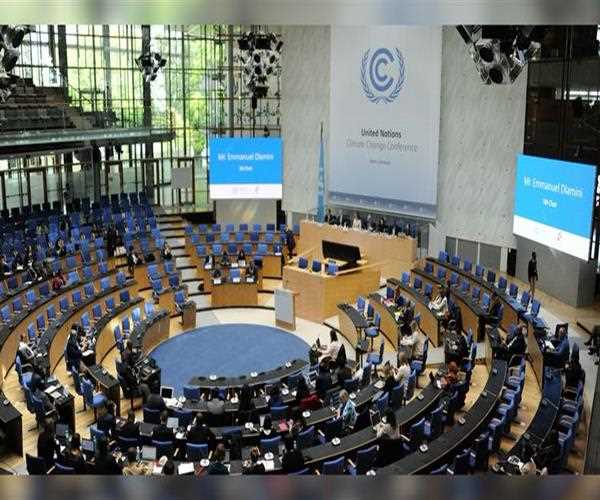
Emerging economies such as African countries are preparing with determination with a vision of achieving sustainable growth through critical minerals. It is working for fair governance and financing reforms on platforms such as the United Nations’ Summit of the Future follow-up. The shifting of the centers in the face of a risky environment is a good move in order to gain a good footing.
The consequences are high, and no one is a bystander in this vitriolic conflict. It ranges from Canada’s G7 to climate change resilience to ASEAN’s drive towards digital transformation which makes domestic agendas adjusted to global demands. It is not just about preparing for a ‘summit’, they are essentially gearing up for a war that is in essence an economic one that requires recalibrating power relations.
Conclusion
The 2025 Global Economic Summit isn’t a discussion—it is a battle and countries are willing to go to war for a position. Strategies are set and aspirations are alight, and they are more than ready to steer through both dangers and gains. This is to be the summit that redefines the global era and where, for nations, victory will be achieved at an upscale level, or a status of vulnerability will be assumed, thereby exposing them once again to the vagaries of worldly economies.