0

There isn’t one global status: peace efforts are moving at different speeds, and a pause in fighting does not necessarily mean a conflict has been resolved. I can’t verify developments after June 2024, so I can’t give a reliable live update for October 2026. The snapshot below is the latest I can summarize confidently.
As of mid-2024, several major conflicts had no comprehensive political settlement. Russia and Ukraine had no active, mutually accepted path to a negotiated end to the war. Talks over a Gaza ceasefire and the release of hostages were recurring, but an agreement remained uncertain. Sudan’s diplomatic efforts had struggled to secure a durable ceasefire, while Yemen’s reduced fighting had not produced a final peace deal.
Other processes showed limited movement rather than resolution. Armenia and Azerbaijan were discussing border arrangements and normalization, while Colombia continued implementing its peace agreement and pursuing talks with armed groups. These efforts differ in scope, and progress on one issue does not settle the wider conflict.
For a genuinely current picture, check recent statements from the UN and the relevant mediators, then compare them with reporting from multiple reliable news organizations. The key questions are whether the parties have agreed to terms, whether those terms are being observed, and whether political negotiations are continuing beyond a temporary ceasefire.

The current state of the peace processes is progressing with some countries and still remains a challenge with other countries. Thus, success here lies in the desire of the conflicting parties to be mediated by organizations such as the UN. Some areas are experiencing relative stability, while others continue experiencing conflicts, and this shows that the push to achieving global peace is still in its continuative stage and needs international cooperation in terms of diplomacy.
Technology has proved vital in addressing conflicts as it can also be the cause of conflicts. As much as it facilitates communication and peace negotiations and observing the ceasefire agreement it produces fake news hence increasing animosity. It picked up from there that mediators place a growing reliance on digital technologies to support their peace-making efforts while warning that misuse of technology points to a need to develop a new outlook in containing the impact of technology on world order.
Currently, structure is characterizing peace negotiations with different nations solving such global problems as climate change or inequality. However, there is a setback in the development due to geopolitical rivalries especially for the major powers in the developed countries. Disputes in areas such as the Middle East and Eastern Europe, keep on persisting, which reveals more difficulties in acquiring a common ground in the world.
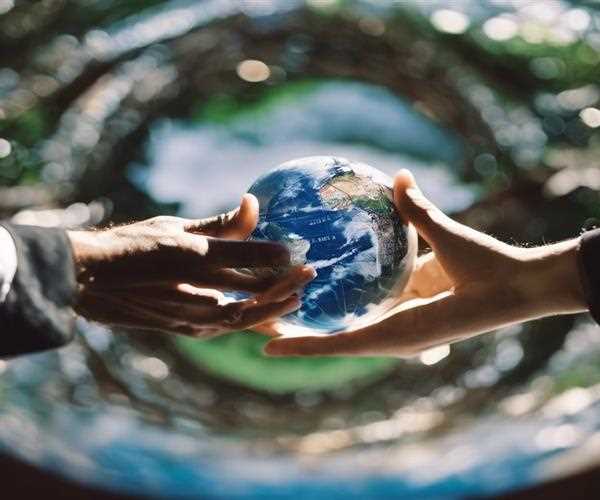
The civil society and other emerging groups are very active in the process of promoting peace. Thus, they address grievances of local communities and groups that have been left out in the society, and promote reconciliation. Their actions are now also seen to complement the diplomatic solutions, to add an approach, which is the most important grassroots approach in rebuilding societies that have been torn apart by conflict.
But there are some new signs which give some optimism about the more united and peaceful international relations. Diversity, creativity, and cooperation are the keys to that change, but it will be possible only if all the interested parties are ready to commit themselves. An understanding of the need for change, the cooperation and people’s constant readiness remain significant in addressing conflicts and creating a desirable global environment.
Conclusion
In conclusion, The present day scenario where international peace talks and conflict resolutions seem to have gotten better as well as worse can be summarized in the following manner. As the use of technology and ordinary citizens present more opportunities for peace, political enmity and fake news remain as threats. Speaking of the path to global stability, one should note that it requires constant efforts, creativity, and joint work among states and societies. It is only after years of active work and mutual understanding that the world will be able to remove the existing serious conflicts and approach the state of peacefulness.