0

There isn’t one clear global direction to report yet. 2026 is still underway, and I can’t verify every policy decision made this year. The broader shift entering 2026, though, is from announcing climate goals toward debating how quickly to deliver them—and how to balance emissions cuts with energy costs, jobs and security.
The picture differs by country. In the EU, climate rules are closely tied to industrial competitiveness and the cost of the transition. China continues to balance clean-energy expansion with energy-security concerns. India’s choices involve growing electricity demand alongside investment in lower-carbon power. In the United States, federal policy and state-level action can point in different directions. These are useful contexts, but they shouldn’t be mistaken for a verified list of new 2026 measures.
A useful comparison of climate policy in 2026 should separate proposals from laws already in force. Look at whether countries have updated national climate targets, funded clean energy investment, changed carbon pricing policies, or committed money to climate adaptation funding. Implementation matters too: a target has limited effect if permits, grids and public funding aren’t keeping pace.
So the cautious answer is that climate policy is increasingly judged by delivery, not just ambition, but the exact country-by-country changes this year need to be checked against current government announcements and legislation.

The policies on climate change in major countries were changed in 2025 as the governments across the world are feeling the heat due to environmental issues. These countries are going forward with much more proactive and sustainable acts as they recognize the future impacts of inactions. While the governments know very well that immediate solutions need to be provided in order to avoid the worst consequences of global warming, A forecast that outlines policy frameworks has emerged due to this dire need of humanity to work together in combating the causes of climate change and taking further action.
One such change has been as a result of companies escalating their carbon neutrality targets. For instance, the United States has moved forward its goal of reaching net-zero emissions five years ahead to 2035. This has led to the emergence of timely policies for shifts towards renewable energy, industries like solar power plants and electric vehicles. It is also now targeting the reductions in emissions in relation to the transportation and industrial industries which have been some of the leading causes of climate change.
On the other hand the European Union for instance has hardly rested from initiating strategies in its Green Deal that seeks to make the continent carbon neutral by the year 2050. In 2025, the EU raised the bar of the carbon emissions of smaller industries they permitted compared to previous laws governing emissions by industries and business entities. These rules are motivated by the need to support RE, foster job creation as well as encourage the circular economy. This approach of the EU is considered now as the reference model for many countries to follow.
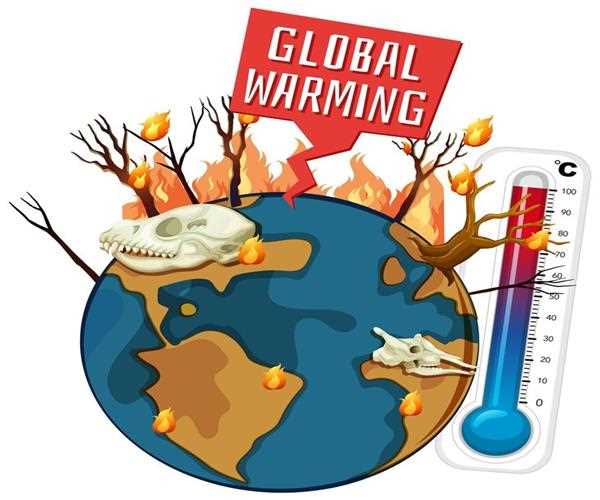
Asian countries China, one of the largest emitters of carbon in the world committed to peaking its emission by 2030 decade and achieving net-zero emission by 2060. These ambitious targets have influenced the Chinese policy directive incognate way with the country increasing investments in renewable energy sources such as wind and solar. Since the country has focused more on the import of crude oil, it has also been making efforts to cut down on the use of coal.
Finally, they have become more urgent and innovative in the major countries in 2025 based on the identified policies. However, some challenges can be pinpointed, these policies can be regarded as an essential step toward solving the climate issue on the international level and with united efforts.
Conclusion
In conclusion, It is possible to state that the changes in the major countries concerning climate change policies this year indicate stronger and more representative measures. These nations are gradually shifting from concentrating on short term gains by putting into place faster carbon neutrality, tightened standards, and rising requirements of investments in renewables. Despite this, the actions taken in 2025 elaborate on how the global response will be coordinated and enhance the need for urgent action to address climate change.
