0

Recent climate policy has focused on three linked challenges: cutting emissions faster, paying for the transition, and helping communities cope with damage already underway. The clearest recent international milestone was the COP29 climate conference in 2024; its outcomes also set expectations for the next round of national climate plans.
Where policies are implemented, they can increase clean electricity, lower some emissions, and reduce exposure to fossil-fuel price swings. They can also bring transition costs: workers and regions tied to high-emitting industries may need support, while households can face higher short-term costs if energy changes are poorly managed.
Climate impacts are not caused by policy alone, and a new target does not immediately change temperatures or extreme-weather risk. The key test is the gap between announcements and implementation: whether emissions actually fall, finance reaches vulnerable communities, and infrastructure is built to withstand the hazards people are already experiencing.

The current climate change policies around the world highlight the increasing concern towards environmental issues. Governments have embraced the need for higher ambience reductions, some of the agreements including the Paris Climate Accord. It is not just about limiting the carbon emissions contribution but also taking up development responsibility that includes social, economic and environment considerations.
Substantiated policies on climate change have witnessed a new trend in the adoption of renewable energy especially in the developed nations. Solar power, wind power, and hydropower are areas that governments are targeting in their investment activities. This push is therefore intended to de-emphasize the use of fossil energy and shift towards green energy. They are also adopting the carbon pricing policies and structures and other green financing frameworks to encourage organizations to embrace sustainable practices.
Another change is the emergence of climate adaptation policies particularly in the climate sensitive areas. These strategies are related to enhancing structures, resisting climate change effects, and conserving the biological variety. However, adaptation strategies are perhaps even more necessary since areas that are already suffering from the consequences of climate change are the ones that need to adapt to the currently existing climate conditions including disaster-like events and increased flooding.
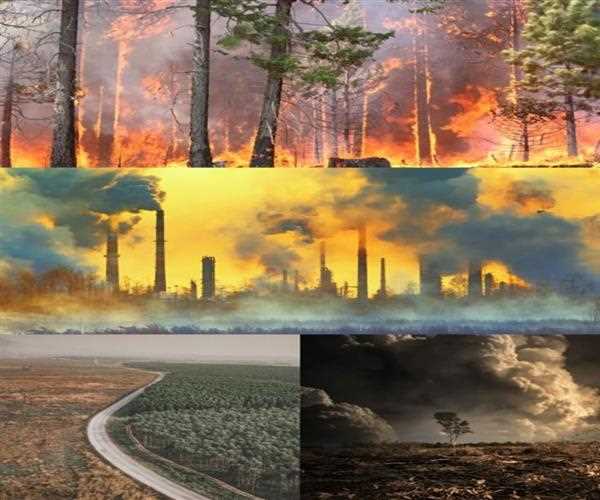
Climate change has also received attention at the international level, which has also been gaining more attention. The crisis is now one of the most pressing issues on the international level, as well as national local levels among governments, organizations and businesses. For example, such conference venues like the COP summits allow dialogue, helping countries pledge to increased goals. As COP26 wound down, the governments displayed global intention and direction for the future that was to come by affirming the goal of reaching net zero by 2050.
Despite the progress, challenges remain. Main challenges of climate policies include political and economic dimensions, whereby countries’ key focus is, in most cases, capturing short-term benefits at the expense of long-term damage to the climate. But the trend in the global society today is gradually moving towards sustainable development as a necessity and reality of the present-day world. As much as no one can doubt that the trend of the climate change policies worldwide is changing.
Conclusion
In conclusion, Domestic and global climate change policies are in a state of a significant shift, especially concerning the usage of renewable energy, adaptation measures, and a cooperative approach. There has been vigorous progress in some areas, however, difficulties are still observed in the spheres of policy enforcement as well as political obstacles. To the above call there is the necessity of commitment from all the nations for the achievement of sustainable development and random climate actions. The current climate change situation calls for the enhancement of these policies to achieve the set goal of preserving the earth and the future of humanity.
