0

Community-led river clean-ups can make a real difference, especially where litter is abundant. Removing plastic waste and other debris reduces the chance that wildlife will become entangled or mistake rubbish for food. It can also keep trash from breaking into smaller pieces and moving downstream.
The benefits go beyond what volunteers collect. Regular clean-ups can build local awareness, encourage community monitoring, and give residents a reason to report pollution or push for better waste management. That attention can help protect freshwater food webs over time.
Still, a clean riverbank is not necessarily a healthy river. Clean-ups usually do little to address less visible problems such as polluted stormwater runoff, sewage, agricultural chemicals, or damaged riparian vegetation. Organizers should also avoid disturbing nesting wildlife or sensitive banks, and volunteers should use appropriate safety precautions.
In short, clean-ups are a useful part of freshwater care—not a substitute for preventing pollution at its source or restoring habitat.

Local area-driven stream tidy up drives decidedly affect freshwater biological systems, helping both the climate and neighborhood networks in more than one way:
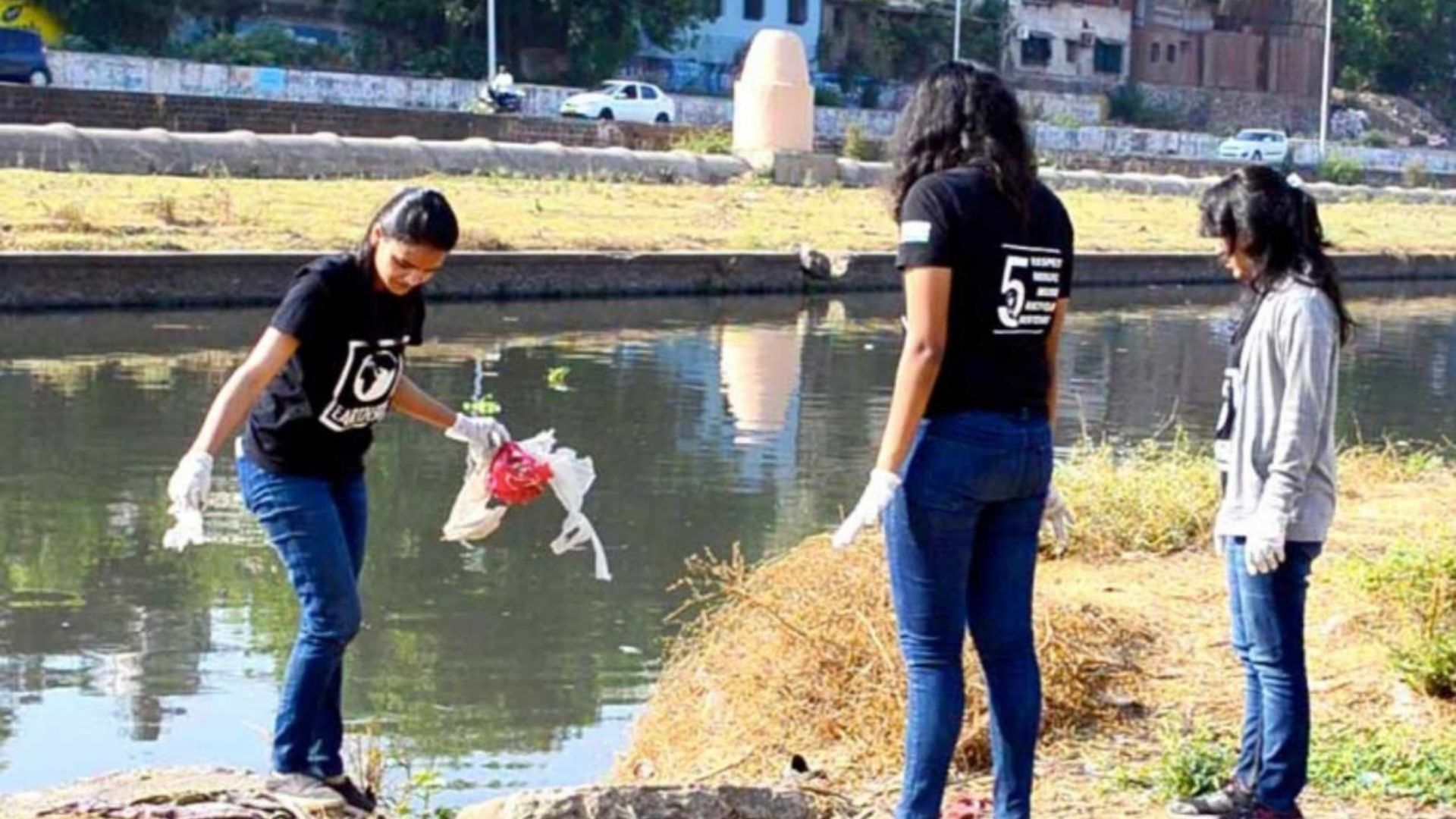
Water Quality Improvement: By eliminating rubbish, garbage, and contamination from streams, these drives straightforwardly upgrade water quality.
Improved Biological System Wellbeing: Cleaner waterways support better environments. Decreased contamination levels and reestablished living spaces empower local species to flourish, adding to the general strength of freshwater biological systems against natural stressors.
Local Area Commitment and Mindfulness: These drives connect with nearby occupants and volunteers in active protection endeavors. Cooperation brings issues to light about the significance of safeguarding freshwater assets and energizes manageable practices among local area individuals.
Financial and Social Advantages: Clean waterways improve sporting openings like fishing, sailing, and the travel industry, helping neighborhood economies.
Generally, people group-driven stream tidy up drives assume an imperative part in safeguarding and reestablishing freshwater biological systems, cultivating local area stewardship, and advancing economical improvement rehearses for people in the future.
