0

Community-led reforestation can help degraded landscapes recover while giving local people a meaningful role in deciding what gets planted and how the land is managed. Its impact goes beyond putting trees in the ground: well-designed projects can rebuild habitats, protect soil and water, and support local livelihoods.
Planting native tree species suited to local conditions can create food and shelter for wildlife and help reconnect fragmented habitats. Tree roots and ground cover can reduce soil erosion, while recovering vegetation may improve water infiltration and provide shade. As trees grow, they also store carbon, though the amount depends on the species, survival rates, and how long the forest is protected.
Community involvement often makes restoration more practical and durable. Residents can contribute knowledge about local plants, land use, and seasonal conditions, and may benefit from nursery work, sustainable forest products, or improved farms and watersheds. These benefits are not automatic: projects need secure land rights, fair sharing of benefits, suitable species, and long-term maintenance.
Reforestation also is not a cure-all. In some places, natural regeneration or restoring grasslands and wetlands may be more appropriate than planting trees. The strongest projects start with the needs of the site and the people who depend on it, then measure success by ecological recovery and community well-being—not just the number of seedlings planted.

Local area-driven reforestation projects assume a significant part in restoring degraded landscapes and moderating ecological debasement. These drives draw in nearby networks during the time spent establishing trees and reestablishing woods, in this way cultivating a feeling of pride, stewardship, and obligation towards the climate. The effect of such undertakings is complex and stretches out past biological rebuilding to envelop social, financial, and natural advantages.
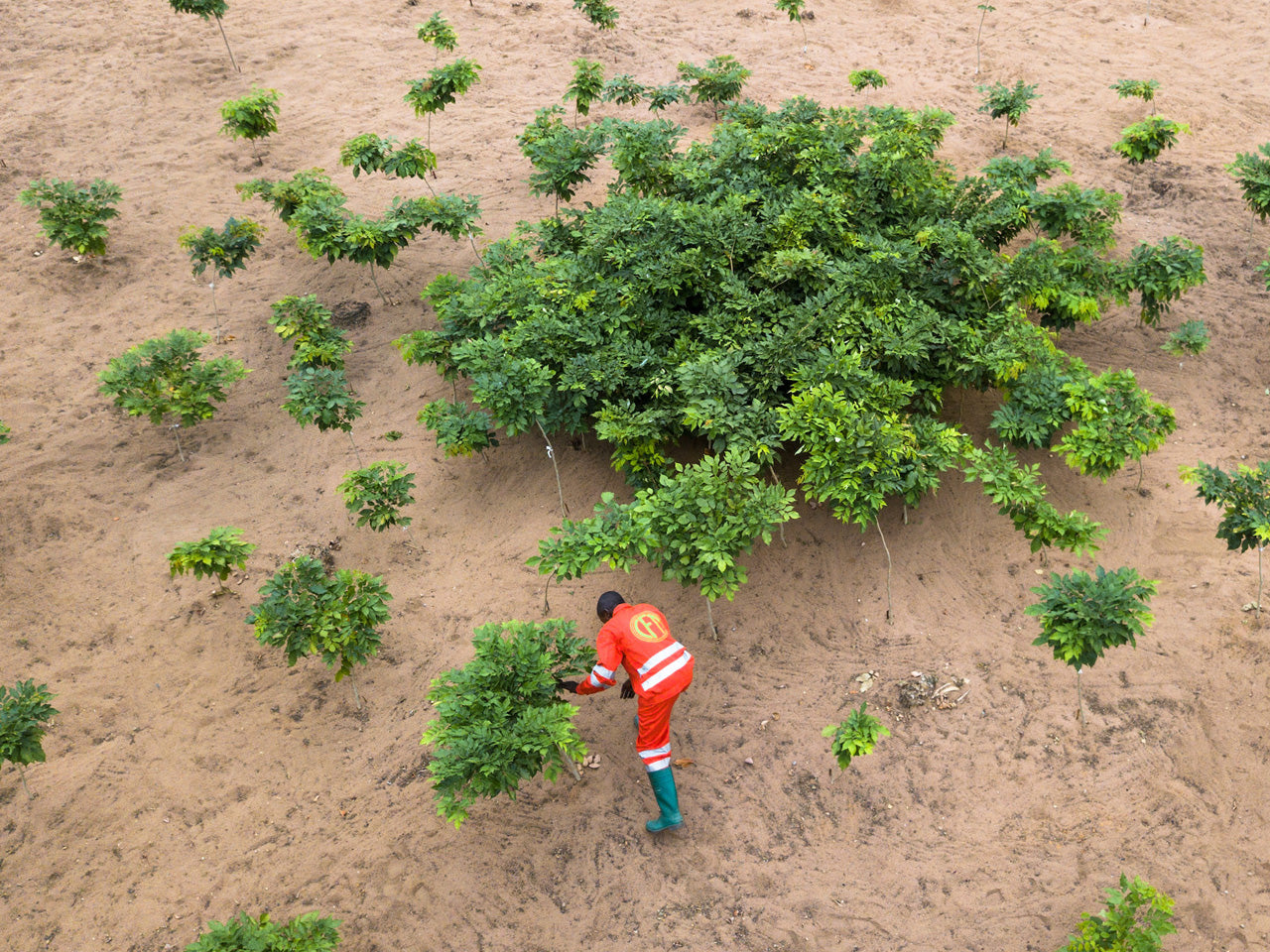
Local area-driven reforestation projects add to biodiversity protection by reestablishing environments for different plant and creature species. Reforested regions act as untamed life passageways, permitting species to move openly and advancing biodiversity strength. This, thusly, improves environment administrations like fertilization, soil ripeness, and water guideline, which are fundamental for human prosperity and biological system wellbeing.
In addition, these ventures assist with alleviating environmental change by sequestering carbon dioxide from the climate. Trees go about their lives as carbon sinks, engrossing CO2 during photosynthesis and putting away carbon in their biomass and soils. By reestablishing timberlands, local area driven drives add to carbon sequestration, assisting with balancing ozone-depleting substance discharges and combatting dangerous atmospheric devation.
Furthermore, people-group-driven reforestation projects offer financial advantages to neighborhood networks. They set out business open doors, especially in country regions, by giving positions connected with tree planting, woodland, and the travel industry. Besides, reforestation can further develop soil wellbeing, upgrade water quality, and decrease the gamble of catastrophic events like floods and avalanches, in this way expanding local area flexibility to ecological dangers.
In general, local area-driven reforestation projects groundbreakingly affect reestablishing corrupted scenes. By including neighborhood networks in protection endeavors, these drives advance maintainable land the executives rehearse, encourage natural stewardship, and add to the prosperity of the two individuals and the planet.
Read more: Changes in global political landscapes
