0

Crowdmapping brings together satellite data and reports from people on the ground to show where forests may be under threat. It helps communities, conservation groups, journalists, and authorities spot suspicious activity sooner and decide what to investigate.
Platforms such as Global Forest Watch publish near-real-time satellite alerts for possible tree-cover loss. An alert is a lead, not proof of illegal logging: land clearing can also result from fires, farming, or permitted development. Local residents and field teams can check an area, add context, and map features such as new roads, logging camps, or fresh clearings.
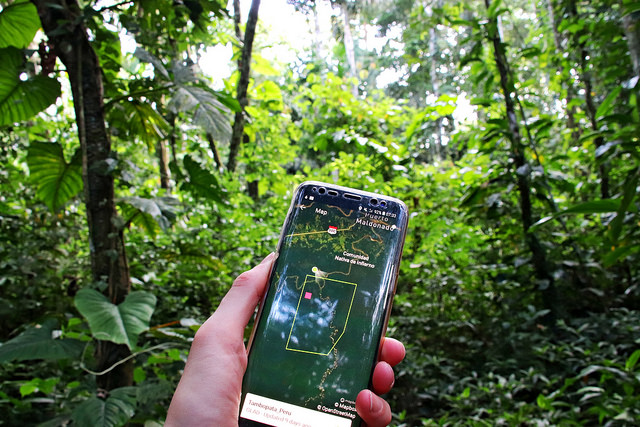
With mobile tools such as Forest Watcher, people can view alerts and collect information in the field, including when internet access is limited. A geotagged report of logging might include the location, date, observations, and photographs. When safely gathered and checked, this information can help build a clearer picture than satellite imagery alone.
The approach has limits. Satellite alerts can be delayed or mistaken, reports need verification, and poor connectivity can make fieldwork difficult. Sharing a monitor’s identity or exact location can also put that person at risk, so consent and secure handling of sensitive data matter. Crowdmapping is most useful as an early-warning and documentation tool; it does not by itself establish that a law has been broken or replace an official investigation.

Crowdmapping technology is assuming an essential part in checking and fighting unlawful deforestation.
Constant Information Assortment: Satellite Symbolism: Crowdmapping stages utilize satellite symbolism to recognize changes in wood cover, distinguishing regions where deforestation is happening. Drone Observation: Robots catch high-goal pictures of timberlands, giving point-by-point visual information to recognize criminal operations.
Local Area Contribution: Neighborhood Detailing: Crowdmapping permits nearby networks to report unlawful deforestation exercises straightforwardly, utilizing versatile applications or online stages. Resident Science: Volunteers and activists can contribute information and perceptions, expanding the scope and viability of checking endeavors.
Information Combination: Geospatial Examination: Crowdmapping Stages incorporate different information sources, including satellite symbolism, drone film, and ground answers, to make thorough guides of deforestation. AI: High level calculations investigate the information to recognize designs and anticipate regions in danger of unlawful deforestation.
Mindfulness and backing: Visual Proof: Crowdmapping gives convincing visual proof of deforestation, bringing issues to light among people in general and policymakers. Crusades and gathering pledges: Natural associations use crowdmapped information to help missions and raise assets for protection endeavors.
Read more: How do I integrate blockchain technology into my application
