0

Zero-waste initiatives are shifting the focus from managing rubbish after it is created to preventing it in the first place. That change reaches both sides of the transaction: consumers encounter more ways to reuse or refill products, while manufacturers rethink materials, packaging and what happens to products at the end of their useful life.
Refill stations, reusable containers and deposit-return schemes make reuse part of ordinary shopping rather than a separate environmental project. Repair services and resale platforms can also make people more likely to keep an item in use instead of replacing it. These options encourage habits such as carrying a reusable cup, choosing concentrated products, or checking whether a product can be repaired before buying a new one.
As these choices become more visible, some consumers expect brands to offer zero-waste packaging, clear disposal guidance and products that last. Convenience still matters, though: reuse is more likely to stick when return points are nearby and cleaning or deposits are straightforward.
For businesses, waste reduction often starts with examining where materials are lost. Manufacturers may redesign products to use fewer materials, make components easier to separate, or use production offcuts elsewhere. Some build take-back programs so used goods can be refurbished, remanufactured or recycled into new materials. These approaches can make waste a source of usable inputs rather than a routine disposal cost.
There are practical limits. Reusable systems need collection and washing infrastructure; recycled materials may not be available in consistent quality; and a product labelled recyclable is not necessarily recycled locally. The strongest initiatives pair good design with convenient systems and track actual reductions in waste—not just changes in packaging claims.

Zero-waste initiatives are fundamentally transforming consumer habits and production processes, cultivating a more feasible way to deal with both utilization and assembling. These drives intend to limit squander by empowering the upgrade of asset life cycles with the goal that all items are reused or reused, consequently lessening how much waste shipped off landfills and incinerators.
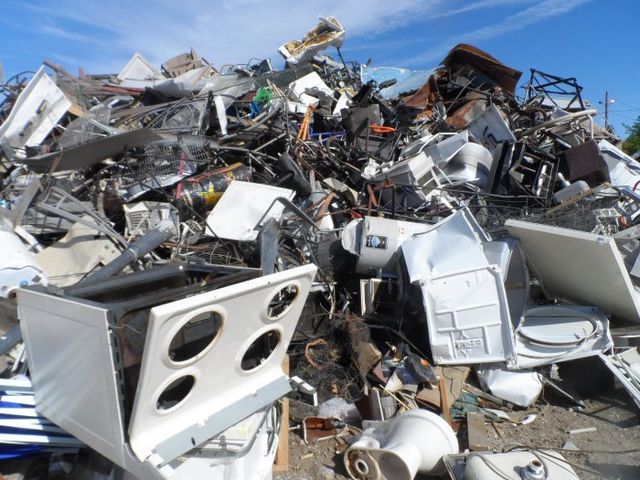
For buyers, zero-waste practices are reshaping ordinary routines. Individuals are progressively settling on reusable items, for example, shopping packs, water jugs, and food holders. Also, customers are turning out to be more cognizant about their buys, frequently picking items with insignificant or recyclable bundling.
On the creation side, organizations are reevaluating their cycles to line up with zero-waste principles. This frequently includes overhauling items to utilize less materials and to be more sturdy, repairable, and recyclable.
Besides, headways in innovation are assuming an essential part. Modern advantageous interaction, where the misuse of one cycle turns into the contribution for another, is additionally turning out to be more normal, further lessening in general waste.
By and large, zero-waste initiatives are driving a social and functional shift towards additional reasonable practices. By empowering the two customers and makers to limit squander and expand asset productivity, these drives are preparing for an additional manageable and mindful future.
Read more: How did the mass production of cars affect the American economy
