0

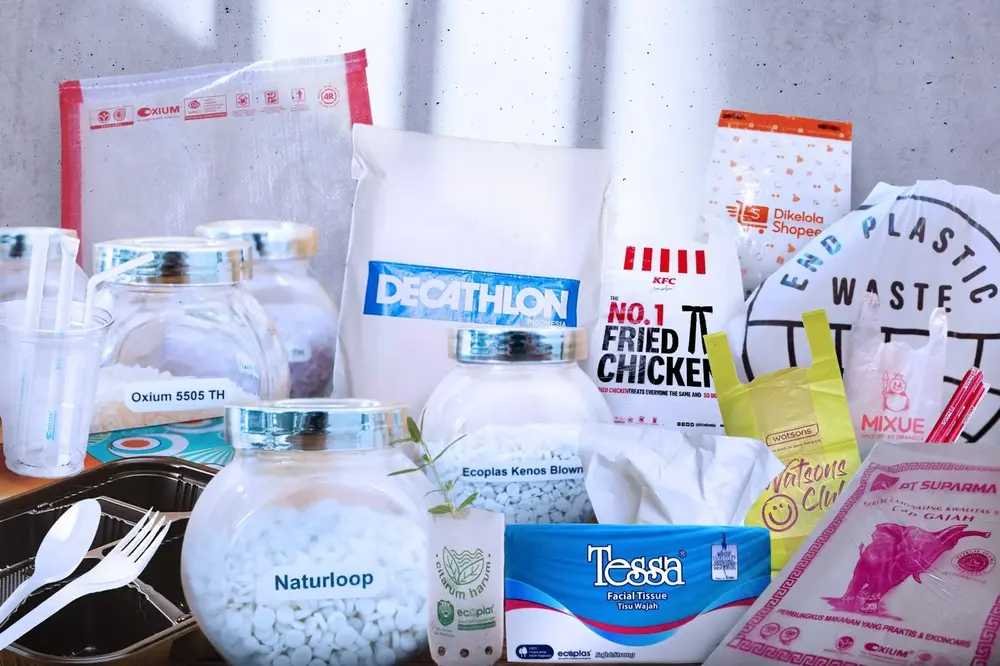
Bioplastics can reduce reliance on petroleum-based plastics by replacing some fossil feedstocks with renewable materials such as plant sugars, starches, or oils. Their role is useful but limited: they are one option for reducing plastic’s dependence on oil, not a substitute for cutting unnecessary plastic use.
The term covers different materials. Some are bio-based but behave like conventional plastic. For example, bio-based polyethylene can be used in familiar products and recycled with compatible polyethylene. Others, such as PLA, are designed to break down under specific conditions, usually in industrial composting facilities. “Bio-based” does not automatically mean biodegradable, and biodegradable does not mean a plastic will disappear safely in the environment.
The environmental benefit depends on how the material is made and handled. Crop production can require land, water, and fertilizer, while manufacturing and transport also use energy. A bioplastic may lower greenhouse-gas emissions compared with a petroleum-based equivalent, but the result varies by feedstock, production process, and end-of-life route.
In practice, bioplastics can be a good fit for selected uses, such as some food-contact packaging or products where a suitable collection and processing system exists. They work best alongside reuse, waste reduction, and effective recycling—not as a license to keep producing disposable items. The key question is whether a specific bioplastic replaces a fossil-based material with a better overall footprint and can be managed properly after use.

Bioplastics assume a significant part in building unwavering quality on oil based plastics by giving practical and harmless options to the ecosystem.
Decreased carbon impression:
Biodegradation and treating the soil:
Decline in murder:
Market Types:
Client Experiences and Prerequisites:
Difficulties and Impediments:
In outline, bioplastics give a practical choice to decrease dependence on oil based plastics through environmentally friendly power, low carbon impression, squander the executives, and more secure items to be chosen however their general limit lies in tackling related undertakings, costs and functional difficulties.
Read more: How are bio-based materials replacing conventional plastics in packaging