0

Electric vehicles can reduce greenhouse gas emissions from road transport, but the size of the reduction depends on how the electricity is produced and how the vehicle is made and used.
An EV has no tailpipe emissions. Charging it can still cause emissions when electricity comes from fossil fuels, so the electricity generation mix matters. As power grids add wind, solar, and other low-carbon sources, charging an EV generally becomes less emissions-intensive.
Making a battery can create more emissions than producing the engine and fuel system for a comparable petrol car. That manufacturing difference is part of the full comparison, not something to ignore. Across a vehicle’s lifetime, studies commonly find lower lifetime greenhouse gas emissions for EVs in many regions, though the result varies with battery manufacturing emissions, the grid, and how much the car is driven.
EVs are one useful part of cutting transport emissions, especially when paired with a cleaner electricity supply. Smaller, more efficient vehicles also help: vehicle size and driving affect energy use whether the car is electric or petrol-powered.

Electric vehicles (EVs) assume a pivotal part in lessening greenhouse gas (GHG) discharges.
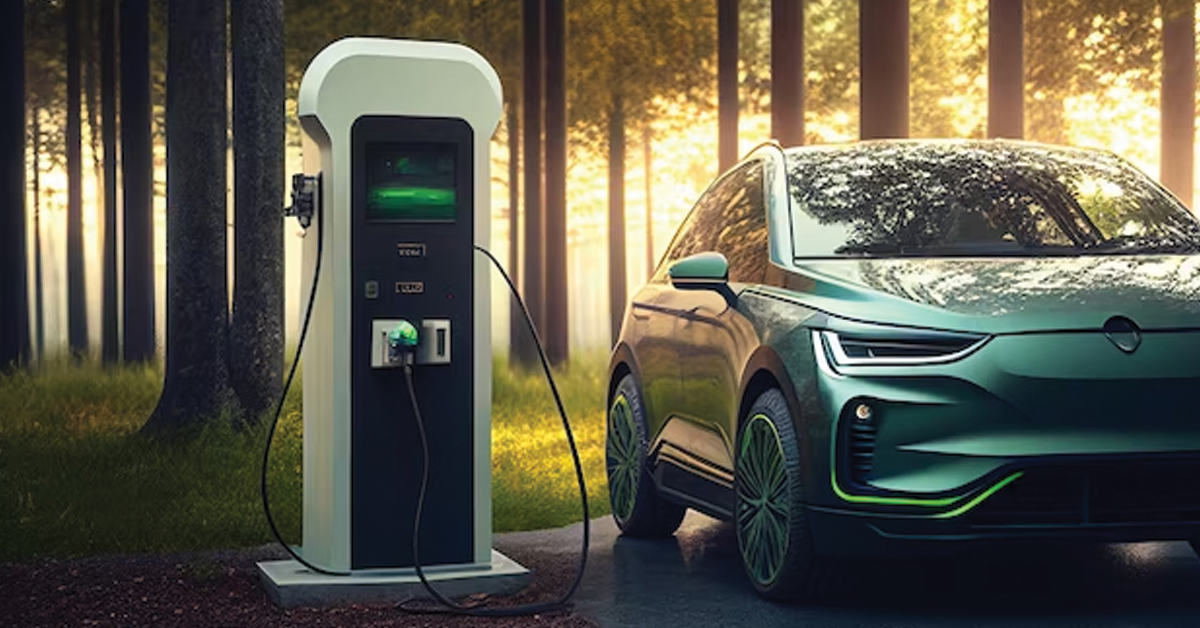
Zero tailpipe discharges:
Direct Discharges: EVs produce zero tailpipe emanations, dispensing with direct wellsprings of GHGs like carbon dioxide (CO2), methane (CH4), and nitrous oxide (N2O).
Air Quality Improvement: By diminishing neighborhood poisons, EVs add to more readily improved air quality, especially in metropolitan regions.
Energy Source Adaptability:
Environmentally friendly power: EVs can be controlled by environmentally friendly power sources, for example, sun-oriented wind and hydroelectric power, fundamentally lessening the carbon impression related to transportation.
Framework Decarbonization: As electric networks become cleaner with more sustainable power joining, the generally GHG outflows from EVs decline further.
Productivity Benefits:
Higher Productivity: EVs are more effective than internal combustion engine (ICE) vehicles, switching additional energy from the battery over completely to development, bringing about lower generally energy utilization.
Regenerative Slowing Down: EVs use regenerative slowing down, which recuperates energy ordinarily lost during slowing down and converts it back into power to re-energize the battery.
Lifecycle Outflows:
Fabricating Outflows: While EV creation, especially battery producing, can be energy-escalated, the lifetime emanations of EVs are for the most part lower than ICE vehicles because of their effective activity and environmentally friendly power potential.
Strategy and Motivation:
Corporate Armadas: Organizations are progressively taking on EVs for their armadas to lessen their carbon impression and meet supportability objectives.
Metropolitan Preparation and Foundation:
Charging Foundation: Extension of an EV charging framework upholds more extensive reception and makes EVs more helpful for day to day use.
Financial Effect:
Work Creation: The developing EV industry has occupations in assembling, framework improvement, and environmentally friendly power areas.
In rundown, electric vehicles fundamentally decrease ozone-harming substance outflows through zero tailpipe discharges, higher energy effectiveness, and the potential for sustainable power use. They likewise benefit from strong strategies and headways in innovation, putting forth them a critical part in worldwide attempts to battle environmental change.
Read more: How to improve fuel efficiency in my vehicle
