0

Ecotourism can make a healthy natural environment valuable to the people who live near it. When visitors pay for park access, local guides, places to stay, and food, some of that spending can support both conservation and community livelihoods.
For conservation, revenue from park entrance fees can help fund habitat protection, ranger patrols, and research. Tourism can also create wildlife monitoring jobs and give communities a financial reason to protect habitats rather than convert them to other uses.
For local economies, work with community-owned lodges and guides, restaurants, and craft businesses can keep more visitor spending in the area. The benefits are strongest when local people have a say in tourism decisions and receive a fair share of the income.
Ecotourism is not automatically low-impact or equitable. Too many visitors can disturb wildlife and strain water, roads, and waste systems; profits may also flow to outside operators. Clear visitor limits and waste controls, local ownership, and transparent decisions about tourism revenue help keep the conservation and economic benefits from being overwhelmed by the costs.

Ecotourism assumes an essential part in supporting preservation endeavors and nearby economies by cultivating maintainable practices the travel industry rehearses that benefit both the climate and networks.
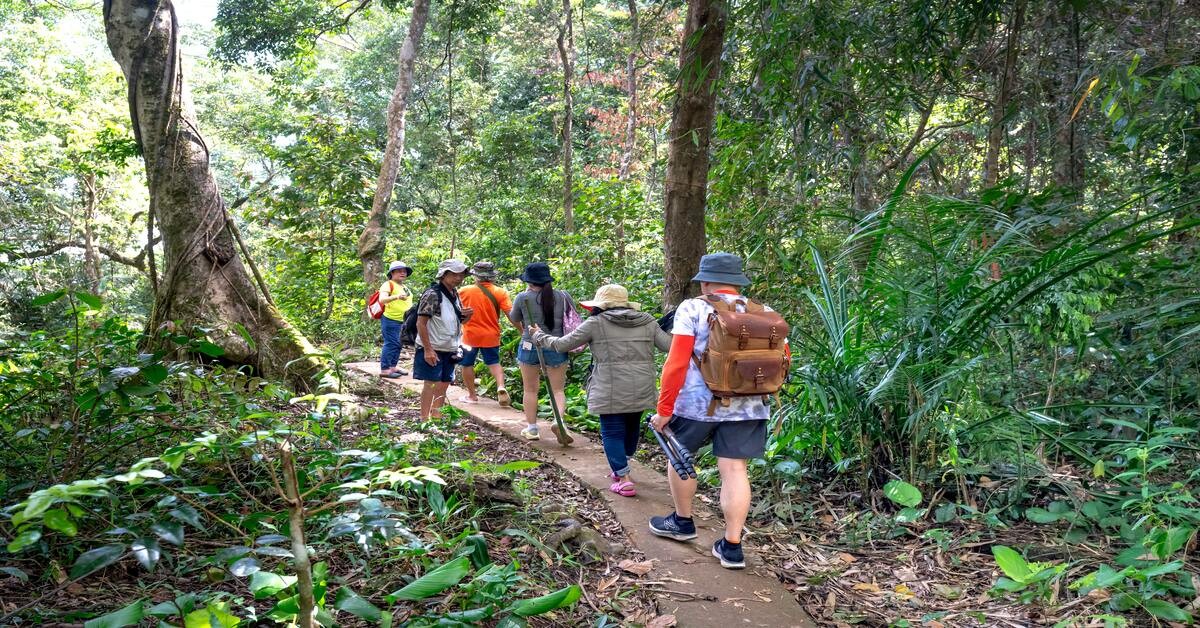
Training and Mindfulness:
Social Getting it: Guests draw in with nearby networks, finding out about customary practices and social legacy, and advancing appreciation for native information and ways of life.
Financial Advantages to Nearby People group:
Work Creation: Ecotourism produces business-valued open doors for nearby occupants as guides, cordiality staff, craftsmen, and moderates, diminishing dependence on asset-escalated enterprises.
Pay Expansion: Income from ecotourism upholds assorted nearby organizations, including limited-scope undertakings offering types of assistance and items to sightseers.
Local Area Strengthening and Improvement:
Limit Building: Ecotourism drives frequently include preparing neighborhood networks in economical ways that the travel industry works on and engaging them to oversee and profit from the travel industry exercises.
Framework Advancement: Interests in the travel industry foundation, for example, eco-hotels and guest focuses, work on neighborhood conveniences, and draw in additional ventures.
Natural Maintainability:
Low-Effect Practices: Ecotourism underlines limiting natural effects through dependable practices the travel industry rehearses, like waste reduction, energy proficiency, and water preservation.
Regenerative The travel industry: Some ecotourism drives center around regenerative practices that reestablish environments and contribute decidedly to biodiversity protection.
Strategy Backing and Organizations:
Support for Preservation Arrangements: Ecotourism administrators frequently advocate for approaches that safeguard regular regions and manage the travel industry exercises to guarantee long-term maintainability.
Cooperative Associations: Organizations between legislatures, NGOs, and confidential area partners advance viable protection of the board and economic improvement of the travel industry.
In outline, ecotourism upholds preservation endeavors by safeguarding normal resources, teaching guests, and enabling nearby networks financially and socially. It advances manageable improvement rehearsals that offset ecological stewardship with monetary advantages, adding to both preservation objectives and the prosperity of nearby populaces.
Read more: How do international trade agreements affect the economies of different countries