0

Regenerative agriculture can support healthier soil and store more carbon by changing how land is managed. It is a broad set of practices rather than one fixed farming system, and results depend on the soil, climate, crops, and management choices.
Practices such as cover crops and diverse rotations keep living roots in the ground for more of the year. Reduced tillage can limit disturbance, while compost or well-managed grazing may add organic material. Together, these approaches can encourage soil organisms, improve soil structure and water infiltration, and reduce erosion.
As roots and plant residues break down, some of their carbon becomes soil organic carbon. Building that store can help draw carbon dioxide from the atmosphere, while healthier, better-structured soil may also hold water more effectively. The amount stored varies widely, though; gains are not guaranteed and may level off over time.
Carbon claims also depend on what happened before the practices began and how long the carbon stays in the soil. Tillage, drought, land-use changes, or other disruptions can release some stored carbon again. Regenerative methods can contribute to climate mitigation, but measuring long-term carbon storage and accounting for emissions from the whole farm are essential.

Regenerative agriculture is a holistic approach to farming that expects to reestablish and finish soil wellbeing even as it advances biodiversity, water maintenance, and carbon sequestration. It includes a ton of cultivating rehearsals intended to emulate homegrown environments and work on the general wellness and flexibility of farming scenes.
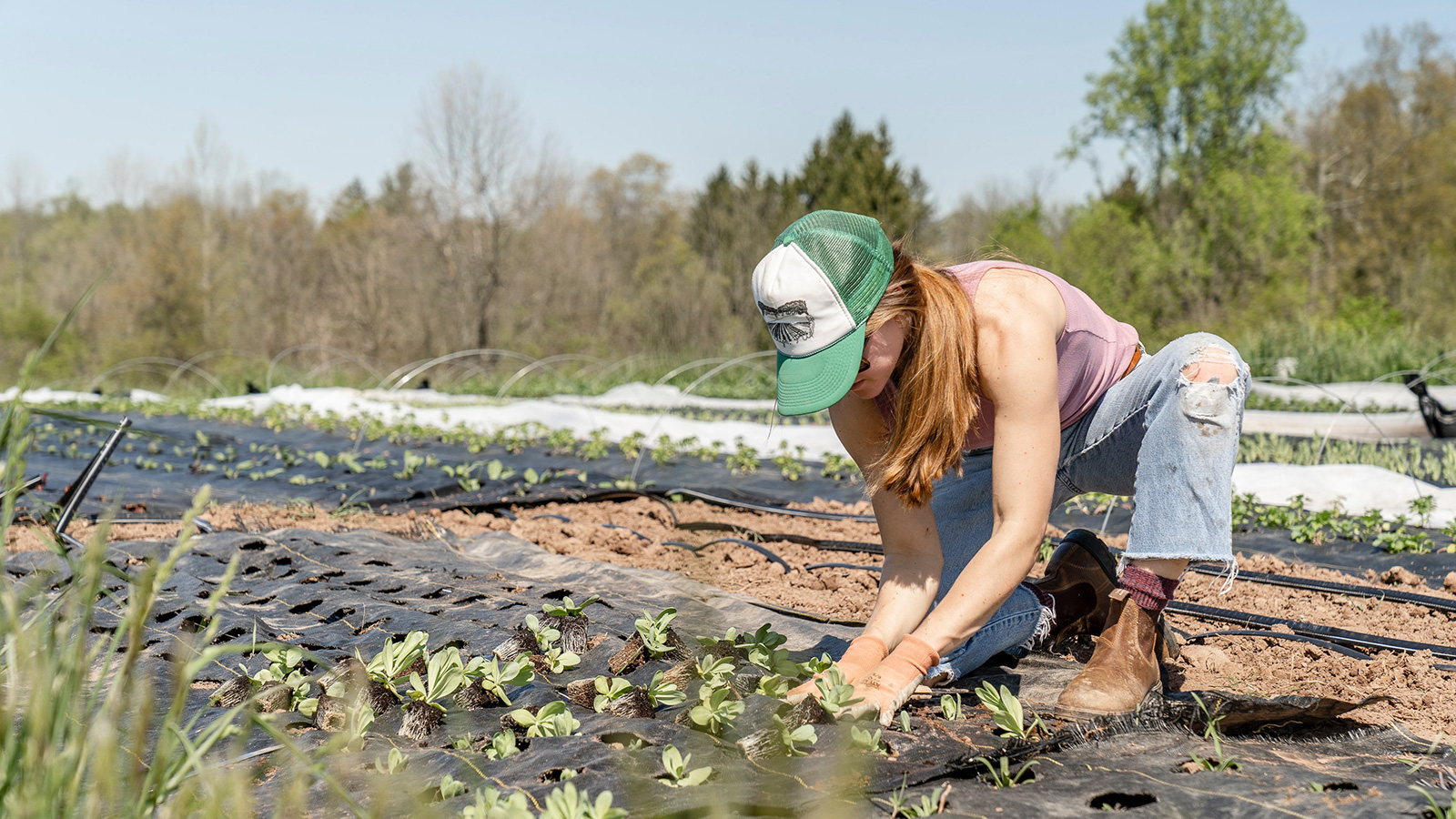
One of the significant ways that regenerative agriculture adds to soil wellbeing is with the guide of expanding normal be counted content material inside the dirt. Rehearses that incorporate cowl trimming, crop pivot, and negligible soil unsettling influence help to construct soil natural count number, which bears the cost of fundamental nutrients for blossoms, further develops soil design, and improves water maintenance capacity.
Furthermore, regenerative agriculture makes a speciality of developing soil biodiversity through advancing the increment of different plant species and cultivating territories for valuable microorganisms, growths, and bugs. This biodiversity adds to further developed soil fruitfulness, disease opposition, and supplement cycling, which are primary to better and stronger farming biological systems.
Moreover, regenerative agriculture assumes a basic part in carbon sequestration by utilizing taking pictures of environmental carbon dioxide and putting it away inside the dirt. Through rehearses like agroforestry, rotational brushing, and no-till cultivating, regenerative ranchers brighten the capability of soils to assimilate and keep up with carbon, hence relieving the impacts of weather conditions change.
By embracing regenerative agriculture rehearsals, ranchers can upgrade the extended-term efficiency and maintainability of their activities, as well as relieve the ecological effects of customary cultivating methodologies. By focusing on soil wellness and carbon sequestration, regenerative farming gives a promising procedure to adapt to weather conditions change, enhance climate versatility, and sell maintainable dinner creation for fate ages.
Read more: Who is the minister of Agriculture and Farmers Welfare ministry
