0

Automation can make industries more productive, but its effects reach well beyond the factory floor or office. The impact depends on which tasks are automated, how quickly change happens, and whether workers and communities have support to adapt.
Some jobs shrink or disappear when routine tasks are automated. Others change: workers may spend less time on repetitive work and more time supervising systems, handling exceptions, or working directly with customers. That shift can create new opportunities, but it can also leave workers whose roles change needing time and training to move into them.
The gains are not always shared evenly. If higher productivity mainly benefits business owners and highly skilled workers, automation can widen wage and wealth inequality. Regions that depend on a small number of exposed industries may feel the disruption especially sharply, particularly when replacement jobs are elsewhere or require different skills. Reskilling and career transitions help, but they work best when training is affordable, relevant, and connected to real jobs.
There can be benefits for workers too. Machines can take on dangerous, physically demanding, or tedious tasks, improving workplace safety and consistency. Automated services may also become faster or cheaper. At the same time, closer digital monitoring and tightly paced work can reduce autonomy or add pressure if systems are designed mainly to measure and speed up employees.
So automation is not automatically good or bad for society. A lot depends on choices about job training, worker protections, how productivity gains are shared, and whether affected communities have a voice in the transition.

The widespread adoption of automation in industries has colossal social effects, every positive and terrible, that structure the staff, monetary framework, and society all in all.
One of the most extreme, magnificent social effects of computerization is its impact on work. While mechanization will build proficiency and efficiency, it moreover brings about work removal as commitments previously executed through people are taken over by means of machines. This can achieve joblessness, underemployment, and a money-related absence of certainty for representatives in impacted enterprises. Additionally, the deficiency of occupations to computerization lopsidedly influences low-proficient and repeating-based occupations, primary to profit disparity and social distress.
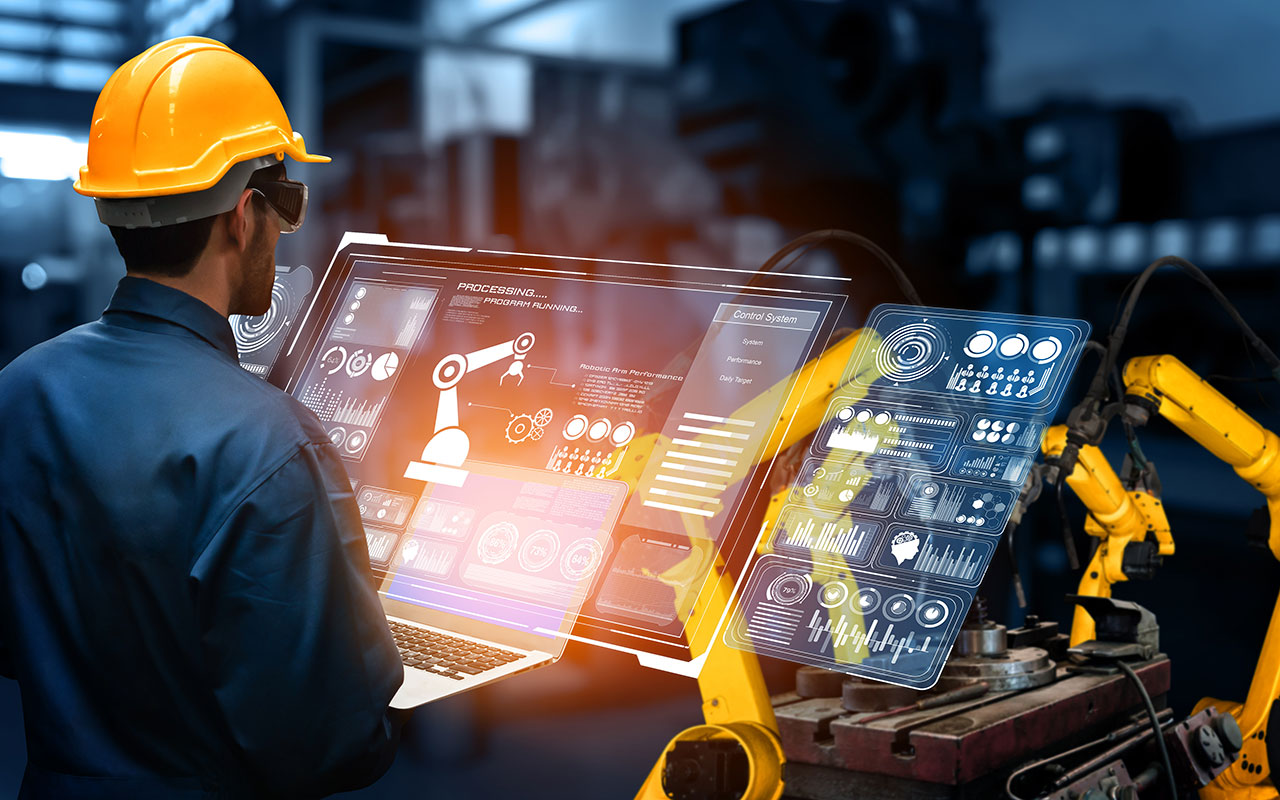
On a pleasant perspective, computerization can set out new positions and open doors in enterprises connected with time, designing, and data examination. Moreover, mechanization has the ability to advance running circumstances through disposing of ordinary and compromising obligations, likewise diminishing the opportunity of spot-on occupation mishaps and further developing common work pride.
One more friendly impact of mechanization is its affect on abilities improvement and tutoring. As computerization renders positive abilities obsolete, there might be a developing need for laborers to gather new capacities, which incorporate coding, data assessment, and inconvenience tackling. This requires interests in tutoring and deep-rooted acquiring information on applications to guarantee that individuals are ready with the abilities expected to flourish in a robotized gathering of laborers.
Computerization furthermore has suggestions for social portability and admittance to financial open doors. While certain people can likewise partake in the potential open doors made through mechanization, others may likewise confront limits to sections due to the absence of admission to preparation, training, or sources. This can fuel current disparities and broaden the space between the prosperous and minimized populaces.
In general, the social effects of sizable computerization highlight the significance of proactive guidelines and methodologies to alleviate adverse consequences and verify that the benefits of mechanization are impartially apportioned across society. This may moreover envelop measures including reskilling programs, income support for uprooted individuals, and rules selling comprehensive monetary increment.
Read more: Who are the major influencers in the entertainment industry now