0

There isn’t one fix. When more people need care, health systems tend to combine short-term capacity measures with changes that move some care out of crowded hospitals. How well that works depends heavily on local staffing, funding and the type of demand.
Hospitals may adjust schedules, add temporary capacity and use surge planning for hospital beds. They also try to direct patients to the right setting: primary care, urgent care or community-based outpatient care can handle many needs without an emergency department visit. Virtual visits and remote monitoring help with some follow-ups and ongoing conditions, though they cannot replace in-person exams when those are needed.
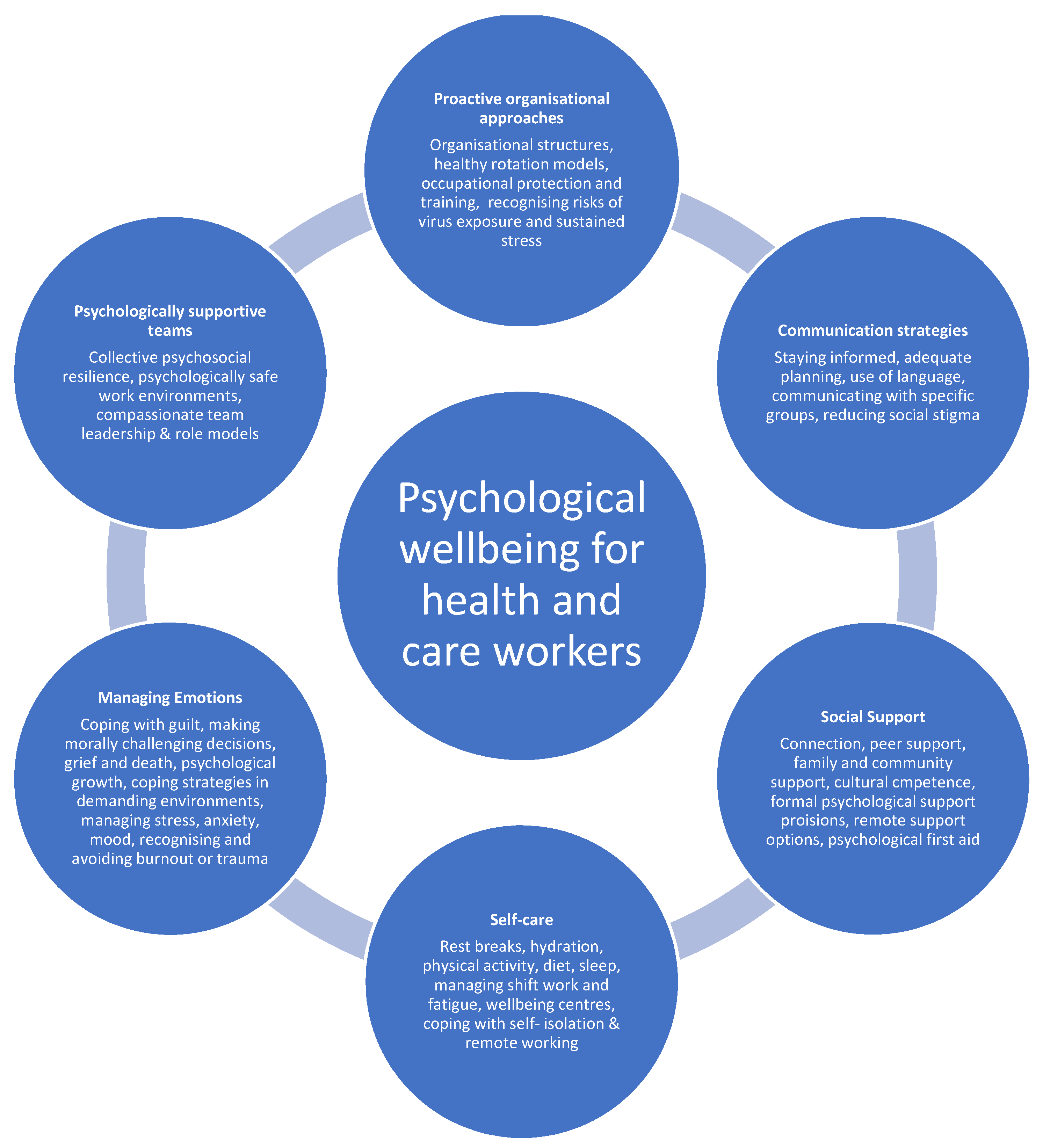
Staffing is often the hardest constraint. Hiring, retaining and supporting clinicians takes longer than opening extra rooms, and heavy workloads can lead to burnout and further shortages. Systems also use shared scheduling and referral coordination to reduce delays, but patients may still face long waits or postponed non-urgent treatment when demand outpaces available staff and equipment.
So the practical response is a mix of triage, more flexible capacity and better coordination—not simply more beds. The lasting test is whether those changes expand access without shifting the strain onto patients or an already stretched workforce.

Healthcare systems worldwide are facing unprecedented challenges because of expanded demand, pushed through components along with people blast, becoming older populations, rising consistent sickness expenses, and general wellbeing crises very much like the Coronavirus pandemic.
Limit Development: Emergency clinics and medical care offices are expanding their capacity via developing a wide assortment of beds, ICU units, and a medical services group of laborers. This comprises changing over contemporary regions into transient clinical offices and selecting extra medical care laborers.
Telemedicine and Remote Consideration: Telemedicine and distant consideration advancements have ended up being fundamental devices for bestowing medical care contributions while limiting in-individual touch. Virtual meetings, far away following of patients, and virtual wellbeing structures help ease the heap on medical care places and lessen the danger of transmission.
Smoothed out cycles: Medical services frameworks are smoothing out strategies and executing productivity measures to improve help designation and diminish stand-by examples. This comprises further developing impacted individual floats, forcing emergency frameworks, and focusing on dire occasions.
Local Area Wellbeing Drives: Medical services structures are partaking with network offices and nearby states to carry out open wellness undertakings pointed toward halting sickness, advancing sound ways of behaving, and diminishing medical care abberations. This incorporates inoculation crusades, wellbeing preparation bundles, and effort endeavors focused on high-chance populaces.
Medical services development: Advancement in medical care transport, which incorporates the reception of virtual wellbeing innovations, computerized reasoning, and prescient examination, is supporting medical services frameworks oversee raised requests extra adequately. These innovations further develop visualization exactness, treatment results, and asset designation.
Joint effort and coordination: Cooperation between medical care suppliers, government associations, confidential areas, and worldwide gatherings is fundamental for tending to the confounded difficulties presented by involving increased demand for. By sharing resources, understanding, and top notch rehearses, partners can all the more likely answer developing medical services wants.
Notwithstanding these endeavors, medical care frameworks keep to meet sizeable requesting circumstances in adapting to extended requests. Supportable arrangements will require progressing interest in medical services foundation, labor force improvement, time reception, and general wellbeing undertakings to ensure admittance to best focus on all people.
Read more: What are the effects of social media on mental health
