0

Supply chain disruptions can affect a business well beyond a late shipment. When materials or products become difficult to source, companies may face higher costs, interrupted operations, and delays getting orders to customers.
The impact depends on how much a business relies on particular suppliers, routes, or regions. A manufacturer waiting on one specialized component might have to pause an entire production line. A retailer may have empty shelves, while a small business may struggle to pay bills if delayed orders tie up its cash.
Some disruption is unavoidable, but its effects can be reduced through supplier diversification, realistic safety stock for critical items, and better visibility into supplier and shipping risks. Businesses also benefit from reviewing which products or components would cause the greatest harm if they became unavailable; not every item needs the same level of backup.
In short, disruptions make supply less predictable. The businesses that tend to cope better are those that know their weak points and have practical alternatives ready.

Supply chain disruptions are significantly impacting businesses across different enterprises, prompting functional difficulties, sped-up costs, and diminished benefit. These disturbances can emerge from various elements, alongside normal screw ups, international strains, pandemics, and alterations in Buyer Direct.
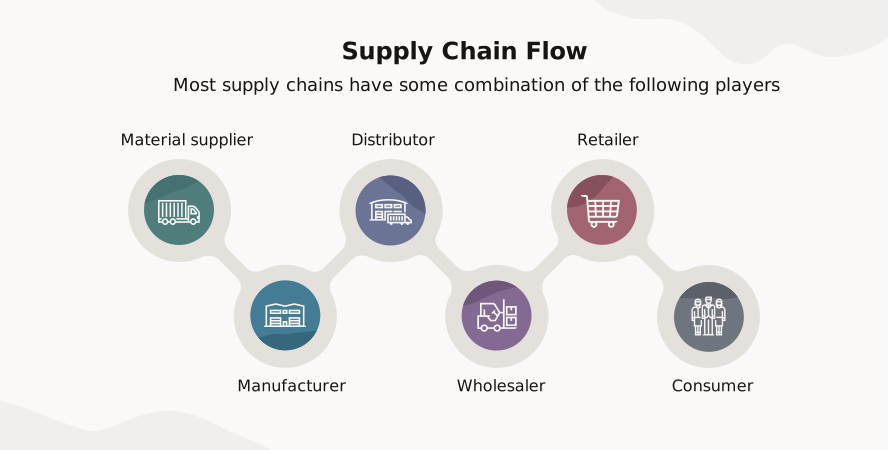
Stock Deficiencies: Store network interruptions routinely cause deficiencies for unrefined components, added substances, and finished things. Organizations can likewise battle to hold alright stock stages, bringing about creation delays and stockouts.
Inflated Expenses: Organizations might cause extra charges to source elective providers, speed up shipments, or stabilize scant sources. These duplicated costs can disintegrate pay edges and decline seriousness on the lookout.
Creation Deferrals: Store network disturbances can upset creation plans, causing postponement techniques. This can bring about accumulations, ignored cut-off dates, and reduced efficiency levels, affecting common functional execution.
Calculated Difficulties: Transportation disturbances, which incorporate port terminations, conveyance postponements, and expected requirements, can block the movement of products along the store network. Organizations may also confront moves in conveying items to clients on time, principally due to client disappointment and the absence of deals.
Store network complexity: Globalization has achieved a rising number of muddled and interconnected convey chains. Disturbances in a solitary a region of the planet might have swell outcomes all through the entire convey network, making it extreme for associations to effectively see and relieve gambles.
Hazard of Business Interference: Inventory network disturbances represent a standard opportunity for business interference. Organizations might encounter transitory closures or creation ends because of the inaccessibility of fundamental data sources or parts, primary to income misfortunes and reputational hurt.
Store network flexibility: in light of these requesting circumstances, organizations are increasingly more focused on building more prominent tough convey chains. This incorporates differentiating obtaining procedures, executing alternate courses of action, putting resources into age replies, and encouraging closer joint efforts with providers and colleagues.
In summary, convey chain disturbances are presenting confounded requesting circumstances for organizations, requiring proactive danger to the executives' systems and spry reactions to explore the vulnerabilities in the worldwide business environmental factors.
