0

A store shelf can be empty even when a product hasn’t disappeared from the market. Often, the issue is that goods are arriving more slowly than customers are buying them—or that a disruption somewhere upstream has temporarily reduced supply.
Common causes include:
Some stockouts are local rather than widespread: one store may sell through an item while another nearby still has it. If shortages last for weeks or affect many retailers, the cause is more likely to involve production or distribution capacity. For a specific product, checking another store or asking when the next shipment is due can help distinguish a brief restocking gap from a broader supply problem.

The shortage of certain goods in stores can be attributed to several factors, comprising disturbances inside the global convey chain, expanded call for, difficult work deficiencies, transportation requesting circumstances, and convey chain bottlenecks.
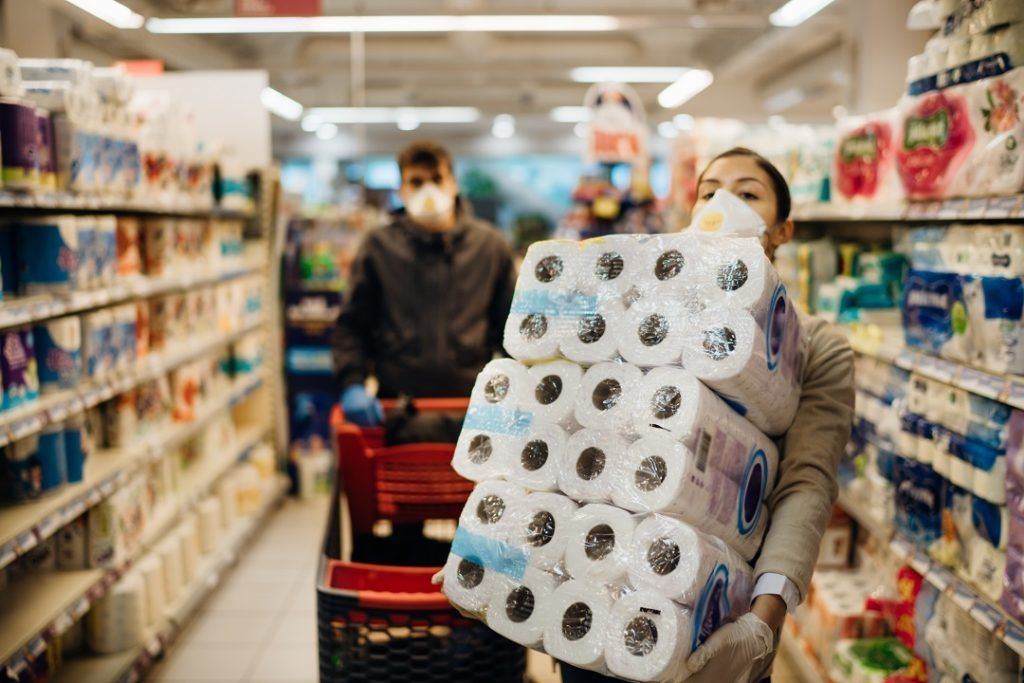
Worldwide convey chain disturbances: The COVID-19 pandemic has upset worldwide convey chains, incurring postponements, terminations, and interruptions at each phase of the convey chain, from creation to transportation to appropriation. Processing plant closures, efforts deficiencies, and limitations on worldwide exchange have caused creation lulls and deficiencies of uncooked substances, parts, and completed things.
Expanded request: The pandemic has likewise achieved shifts in benefactor conduct and further developed interest for sure items, including purging parts, individual defensive framework (PPE), work space gadgets, and homegrown improvement stock. Popularity, mixed with production network disturbances, has brought about deficiencies and stockouts of these things in stores.
Work deficiencies: Work deficiencies in different ventures, along with assembling, transportation, and retail, have exacerbated convey chain requesting circumstances. Factors adding to efforts deficiencies comprise of wellbeing stresses, childcare obligations, joblessness favors, and inconvenience finding individuals leaned to return to work in the midst of progressing wellness and security stresses.
Transportation requesting circumstances: Transportation interruptions, which incorporate port blockage, field deficiencies, and delivery delays, have affected the movement of items universally. Diminished ability, strategic bottlenecks, and further developed transport expenses have added to postpones inside the conveyance of merchandise to shops, prompting deficiencies and convey chain interruptions.
Store network bottlenecks: Production network bottlenecks, along with restricted creation capacity, stock deficiencies, and dispersion requesting circumstances, have restricted the accessibility of positive things in shops. Makers and outlets have battled to hold up with requests and protect sufficient stock levels, bringing about irregular deficiencies and stock holes on keep racks.
Cataclysmic events and climate-related exercises: Cataclysmic events, comprising tropical storms, out-of-control fires, and floods, can upset convey chains, harm foundations, and disturb creation and appropriation organizations, principally due to deficiencies of merchandise in impacted regions.
In summary, the lack of sure merchandise in shops is a mind-boggling inconvenience impacted by a mix of things, comprising of production network disturbances, sped-up calls for, work deficiencies, transportation challenges, inventory network bottlenecks, and normal screw-ups. Tending to those requesting circumstances calls for proactive measures, joint effort among partners, and versatility in adjusting to advancing economic situations.
Read more: Explain the recent changes in global economic sanctions
