0

Climate change is shifting long-term climate patterns, which changes the odds and intensity of certain kinds of weather. It does not mean every storm, cold spell, or dry season is caused by climate change; natural variability still matters.
As the planet warms, heat waves are becoming more frequent and severe in many regions. Warmer air can also hold more moisture, so when storms form, they can produce heavier downpours and raise the risk of flooding. In some places, rainfall is arriving in more intense bursts, with longer gaps between wet periods.
That combination can contribute to longer dry spells and greater drought risk, although local outcomes depend on factors such as geography, water use, and changing wind patterns. Warming can also shift seasonal patterns, affecting when snow melts, when plants bloom, and when rain or snow tends to fall.
For tropical cyclones, warmer ocean water and air can increase rainfall and the potential for more intense storms, but scientists do not expect every region to see more cyclones. Changes in storm tracks and circulation vary by location, and cold snaps can still occur in a warming climate.
In short, climate change influences the background conditions that weather develops in. The clearest signals are increased heat, heavier rainfall in many settings, and changing risks of drought and other extremes.

Climate change is significantly impacting weather patterns around the world, prompting a development in the recurrence, force, and unusualness of outrageous climate occasions.
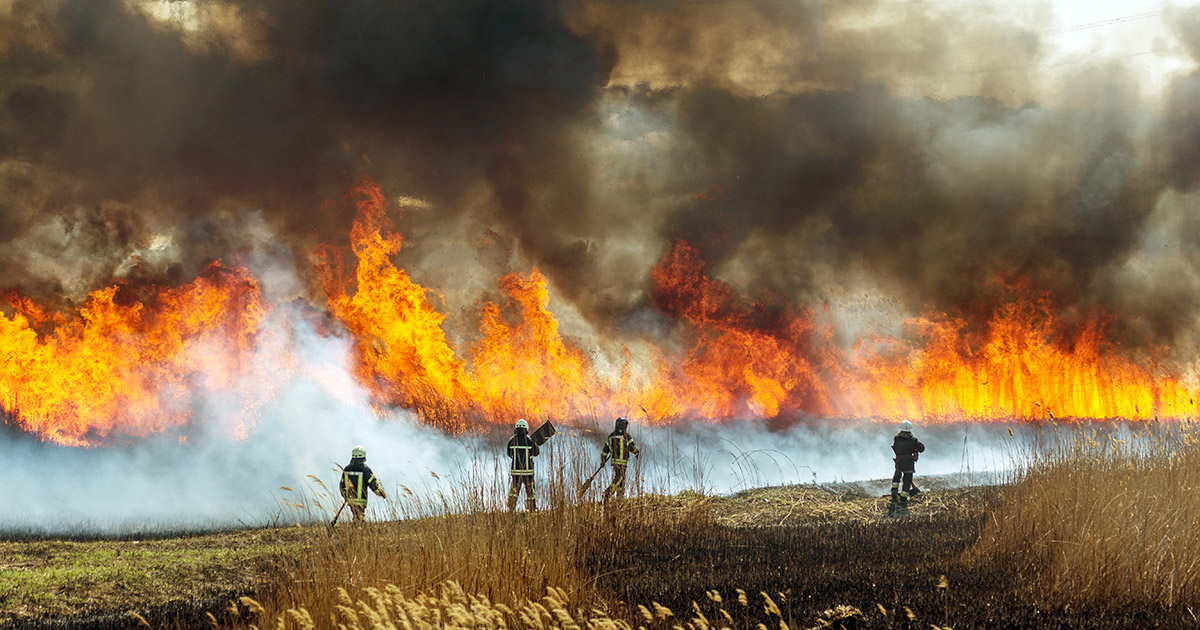
Expanded recurrence of outrageous climate exercises: Environmental change is prompting more incessant and serious heatwaves, dry seasons, floods, typhoons, and tempests. Climbing worldwide temperatures are filling the heightening of environment structures, following in decimating impacts for networks and biological systems.
Changes in precipitation designs: Environment substitute is changing precipitation designs, prompting alterations in precipitation dispersion, profundity, and recurrence. A few locales are encountering more prominent outrageous precipitation and flooding, while others are going through delayed terms of dry season and water shortage. These changes in precipitation styles will immensely affect horticulture, water sources, and environments.
Rising ocean levels and waterfront flooding: As temperatures rise, glacial masses and ice covers are softening, adding to rising ocean degrees. This, joined with the warm extension of seawater, is incurring beachfront locales to appreciate extra incessant and serious flooding as long as necessary. Beach front networks are increasingly more in danger of disintegration, immersion, and saltwater interruption, presenting threats to foundations, possessions, and occupations.
Changes in temperature limits: Environmental trade is prompting extra continuous and unnecessary temperature limits, which incorporate heatwaves, frosty spells, and report-breaking temperatures. These temperature limits could have far reaching effects on human wellness, agribusiness, environments, and framework, expanding the opportunity of warmth-related ailments, crop debacles, biodiversity misfortune, and power requests.
Changes in air course designs: Environmental change is changing barometrical dissemination styles, comprehensive of fly streams and weather conditions fronts, which influence environment designs and examples. These movements can prompt changes in territorial environment systems, which incorporate the reallocation of precipitation and the beginning of rainstorm seasons, affecting agrarian efficiency, water resources, and natural equilibrium.
Generally, weather conditions exchange is fueling climate limits and upsetting longstanding environment styles, presenting immense difficulties for social orders, economies, and biological systems worldwide. Moderating environment substitute by means of ozone-harming substance emanations decreases and forms measures is fundamental to defending gatherings and biological systems from the impacts of changing weather conditions.
Read more: How is social media influencing political discourse
