Discuss the current challenges in social media and its influence.
2 Answers
Social media makes it easy to keep in touch, find communities, share ideas, and bring attention to issues that might otherwise be overlooked. It also gives creators and small businesses a way to reach people without relying entirely on traditional media. But the same systems that make these platforms influential can create real problems.
Trust is a major challenge. Misleading posts can spread quickly, and AI-generated images, video, and text make it harder to judge what is genuine at a glance. Recommendation algorithms may keep showing people material similar to what they have already engaged with, narrowing their view or rewarding outrage because it drives reactions.
There are personal costs, too. Constant comparison, harassment, and pressure to stay visible can affect well-being, particularly for younger users. Meanwhile, platforms collect detailed information about people’s habits, while creators often depend on changing rules and algorithms they cannot control.
Social media is not simply harmful or helpful; its influence depends on how platforms are designed, how people use them, and what safeguards exist. Better transparency about recommendations, stronger privacy protections, thoughtful moderation, and more media-literacy education can help. For users, a practical starting point is to check sources before sharing, adjust feed and privacy settings, and make room for time away from the screen.
Overview:
The current day scene of virtual entertainment is full of assorted requesting circumstances that effect its impact on society, presenting enormous concerns for people, gatherings, and legislatures the same.
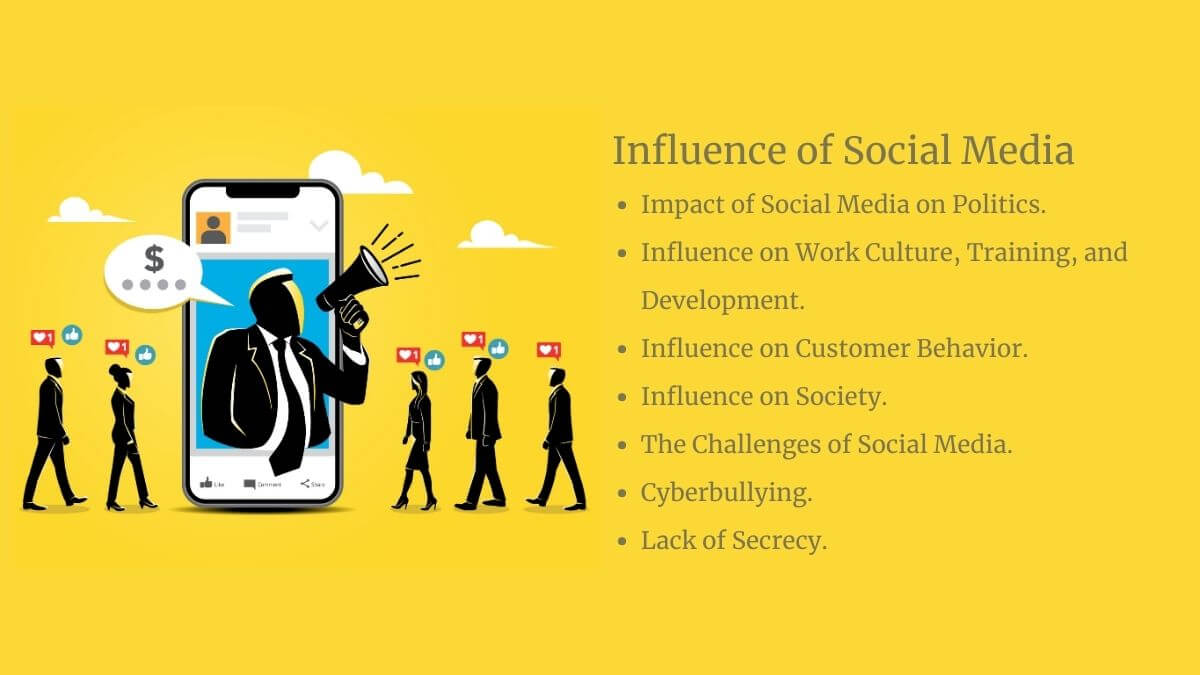
- Deception and Disinformation: One of the most extreme critical difficulties is the unfurl of bogus or tricky data all through online entertainment stages. This erroneous data can gas paranoid ideas, extend polarization, and sabotage organizations, prompting genuine worldwide results comprising of general wellbeing emergencies and political turmoil.
- Online Provocation and Cyberbullying: Virtual entertainment structures have arisen as favorable places for online badgering and cyberbullying, and can't stand discourse. The secrecy and openness of these stages license culprits to target individuals or offices with oppressive directness, causing mental mischief and propagating harmful internet-based environmental factors.
- Protection and Information Security: Concerns around privateness and realities wellbeing save to torment web-based entertainment clients, fundamentally in light of high-profile records breaks and privateness outrages. Clients are a rising number of careful about ways their non-openly available reports are amassed, put away, and used by virtual entertainment associations, bringing up issues about assent, straightforwardness, and realities assurance measures.
- Algorithmic Predisposition and Channel Air pockets: Online entertainment calculations much of the time focus on commitment and exciting substance, fundamental to the development of channel out air pockets and protected, closed-off environments. This can amplify present inclinations, limitation exposure to assorted points of view, and intensify cultural divisions, ruining critical talk and expertise across philosophical strains.
- Emotional Wellness Effects: Unnecessary utilization of web-based entertainment has been associated with different scholarly wellness inconveniences, including pressure, depression, and low confidence. The steady correlation, ridiculous norms, and habit-forming nature of online entertainment make commitments to insecurities and social separation, especially among additional young clients.
- Guideline and Responsibility: Policymakers and controllers face requesting circumstances in productively directing web-based entertainment frameworks to adapt to hurtful substance, watch individual security, and maintain opportunity of demeanor. Striking a steady line between ensuring on-line security and keeping up with virtual freedoms remains an intricate and disagreeable issue inside the domain of web-based entertainment administration.
Taking everything into account, the difficulties managing online entertainment today are complex and interconnected, requiring far-reaching arrangements that contain joint effort between stage administrators, policymakers, common society organizations, and clients themselves. Addressing these difficulties is basic to saddling the capacity of web-based entertainment as a strain for colossal social trade simultaneously as moderating its unfortunate impacts on people and society in general.