Break down the impact of recent diplomatic decisions on world peace.

Asked 2 years ago Updated 6 days ago 387 views

2 Answers


0

“Recent diplomatic decisions” covers a lot of ground: ceasefire talks, sanctions, alliance commitments and negotiations between rival powers can all affect peace, but in very different ways. Their effects are rarely immediate or uniform. A deal may reduce violence in one place while raising tensions elsewhere.

Where diplomacy can make a difference

Ceasefires and negotiations can save lives quickly. Agreements on pauses in fighting, prisoner exchanges or aid deliveries can ease immediate suffering and create room for broader talks. But if the underlying conflict is left unresolved, a pause may prove temporary. The details matter: monitoring, compliance and continued communication help make a ceasefire more than a short break.

Pressure can deter aggression, but it can also harden positions. Sanctions and diplomatic isolation may raise the cost of military action or human-rights abuses. Their effects depend on how consistently they are applied and whether there is a credible path back to negotiations. If leaders see no possible off-ramp, pressure can deepen mistrust rather than change behavior.

Security commitments can reassure allies and unsettle rivals. Clear agreements may reduce the chance that a country misjudges whether another will come to its defense. At the same time, stronger military partnerships can be viewed by opposing states as a threat, encouraging countermeasures. The impact depends partly on whether diplomacy accompanies those commitments.

The wider test

Diplomatic decisions affect peace through several connected channels:

  • Immediate safety: Do they reduce attacks and protect civilians?
  • Trust: Can the parties verify promises and keep talking when disputes arise?
  • Inclusion: Are affected communities represented, and can humanitarian aid reach them?
  • Long-term stability: Do the terms address the causes of conflict, or only manage the latest crisis?

For example, ceasefire and hostage negotiations may ease an urgent crisis, while sanctions and diplomatic pressure shape the incentives behind it. Security guarantees and alliance commitments can prevent opportunistic attacks, but they work best alongside back-channel communication between rivals. Meanwhile, humanitarian access during armed conflict is a practical measure of whether diplomacy is improving civilian conditions, not just producing statements.

The broad picture is mixed: diplomacy remains one of the few ways to limit escalation without adding force, but a signed statement alone is not proof of lasting peace. Follow-through, verification and a willingness to keep negotiating are what determine whether a decision calms a conflict or merely postpones its next phase.

0

Overview:

Ongoing strategic choices have experienced monster suggestions for worldwide harmony, molding the international scene, and impacting worldwide relations. 
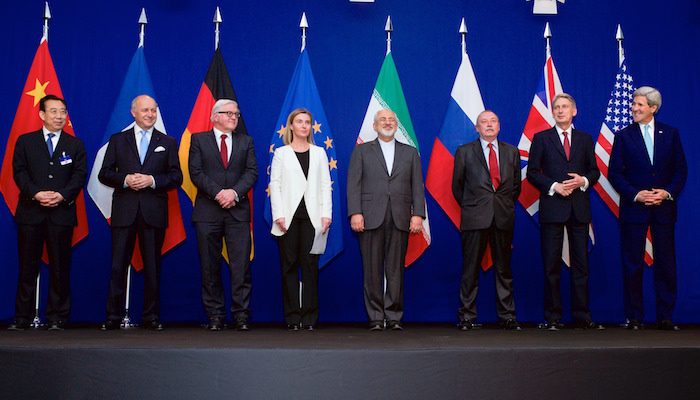
Break down the impact of recent diplomatic decisions on world peace.

A few central issues delineate the impact of these decisions:

  • Compromise: Discretionary endeavors pointed toward settling longstanding struggles have the ability to lessen pressure and sell harmony. Through convey, discussion, and intercession, negotiators endeavor to adapt to hidden complaints and track down mutually fit replies to clashes, in this manner alleviating the peril of savagery and shakiness.
  • Atomic Discretion: Strategic tasks related to atomic demobilization and restraint play a basic role in maintaining global security. Arrangements comprising of fingers control settlements and atomic culminations are looking for to forestall the unfurl of atomic weapons, lessen the danger of atomic struggle, and cultivate concur with and participation among atomic outfitted states.
  • Collusion Elements: Discretionary decisions concerning military unions and associations can either add to strength or fuel neighborhood strains. Collusions like NATO or ASEAN capability are mainstays of aggregate protection and participation, stopping animosity and selling strength in their particular regions.
  • Financial Strategy: Monetary worries routinely influence conciliatory determinations, as changing individuals from the family and money-related participation are vital for worldwide harmony and success. Conciliatory endeavors to clear up change debates, advance financial improvement, and cultivate global substitutes can decorate dependability and abate the opportunity of contention.
  • Multilateral Participation: In an increasingly more interconnected world, multilateral tact plays a fundamental role in tending to transnational difficulties, which incorporate weather conditions change, psychological warfare, and pandemics. Strategic errands that focus on joint effort among worldwide areas and worldwide gatherings are indispensable for handling shared dangers and selling harmony and security.
  • Compassionate Discretion: Conciliatory endeavors to adapt to helpful emergencies and shield common liberties add to peacebuilding and fighting counteraction. By upholding helpful help, selling regard for common liberties, and working with harmony exchanges, ambassadors can help mitigate enduring and advance dependability in fight-impacted regions.

In synopsis, late strategic decisions have far-accomplishing suggestions for world harmony, affecting fight goal endeavors, atomic equilibrium, partnership elements, monetary individuals from the family, multilateral collaboration, and philanthropic endeavors. By focusing on tact and talk, policymakers can compositions toward building a more peaceful and consistent worldwide for all countries and people groups.

Read more: What are the impacts of recent social movements

Write Your Answer