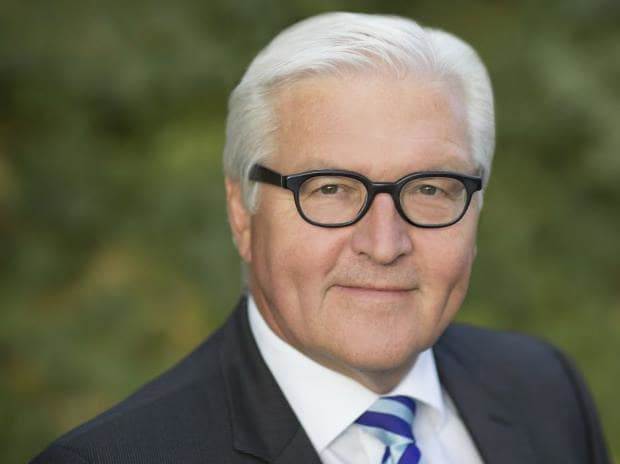
A special parliamentary assembly in Germany re-elected German President Frank-Walter Steinmeier for a second five-year term.
Most
mainstream political parties had backed
Steinmeier leading up to the vote for the largely symbolic position of head of state. A special assembly comprised of representatives of
parliament's lower house and representatives from
Germany's 16 states elected the president with a large majority.
'My responsibilities enlarge to all of our country's residents. Yes, I am nonpartisan, but I am not neutral when it comes to the cause of democracy. Whoever fights for democracy will have my support. Whoever attacks it will face off against me 'After accepting his election, Steinmeier delivered a speech to the special assembly. Steinmeier, 66, was Chancellor Angela Merkel's foreign minister for two terms before becoming president for the first time in 2017. Previously, he was Chancellor Gerhard Schroeder's chief of staff.
Germany's president wields little executive power but is regarded as a moral authority. Following a shambolic
parliamentary election result in 2017, Steinmeier pushed politicians to form a new government coalition rather than wait for a new vote.